
An entrepreneurial spirit, fascination with technology and interest in the law has taken Kevin Whittaker L’02 on a career path that has brought him to the heart of Silicon Valley, giving him the opportunity to contribute to complex legal issues that disruptive technology like artificial intelligence (AI) and big data has brought to businesses around the globe.

Whittaker has been an entrepreneur since he started selling candy at a profit to classmates in high school and college. While studying at Syracuse University College of Law, he convinced the law school to allow him to take some fashion design classes at the University’s College of Visual and Performing Arts. This led to him creating a line of T-shirts that eventually morphed into Blue Bunney Couture, a men’s neckwear line that kept Whittaker busy as a fashion designer for 10 years after graduating from Syracuse Law. At the same time, he was also practicing law.
Whittaker worked for several large firms on the West Coast, including Faegre Drinker; Reed Smith LLP; Baker McKenzie; and Orrick, Herrington & Sutcliffe LLP, where he found a real interest in defending and counseling tech companies in complex employment, financing and corporate matters.
Along the way, he met Alex Fielding and his team. Fielding is a group serial entrepreneur and founder of Ripcord Inc., a Silicon Valley-based company he started out of NASA technology with the mission to robotically extract meaningful data from mountains of paper records and digital documents that exist around the world.
Whittaker was fascinated by the work Ripcord was doing in the tech space, as it was the first to market with this technology, impacting a $62 billion document intelligence market. It is backed by leading investors, including Kleiner Perkins, Google Ventures, Lux Capital and Apple co-founder Steve Wozniak.
When Ripcord offered Whittaker the opportunity to join the company in 2021, he jumped at the chance to combine his interest in entrepreneurship, technology and the law by handling all of its legal work, including commercial agreements, investor financing, mergers, IP, cybersecurity and compliance initiatives.
“I’ve always been interested in the next move, so being a part of this kind of initiative is very exciting to me. I’m eager to collaborate with my team and help to build something even bigger,” he says of the company’s use of proprietary robotics, generative AI and Cloud software to help the world become paperless and extract meaningful and useful data.
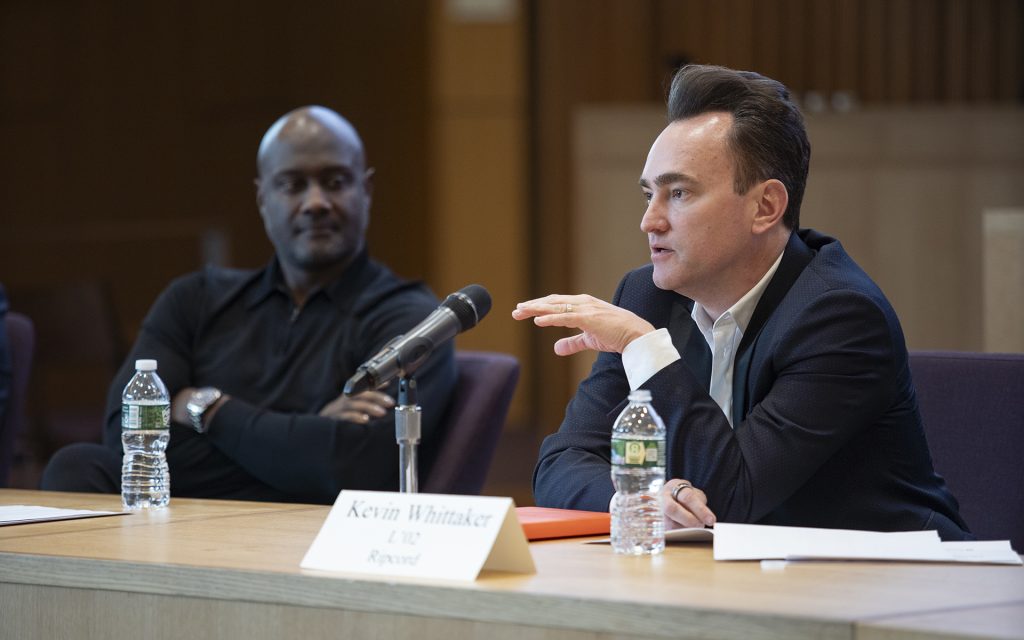
Whittaker has been generous in sharing his knowledge and experience in this space with students at Syracuse Law.
Last February, he took part in the College of Law’s Innovation Law Center Symposium, “Venture to Victory: Pioneer Perspectives in Tech, Venture, and Private Equity.” He spoke on a panel of successful entrepreneurs, financial investors and legal experts discussing the challenges and opportunities that this disruptive technology is bringing to the legal field.
He notes that the “seismic shift” going on is creating greater expectations that new hires out of law school will be adept at the latest technology and ready to hit the ground running.
To that end, he has supported Syracuse Law and students aspiring to pursue technology and the law through the College of Law Scholarship and Financial Aid fund.
“I think that any kind of help I can offer the next generation of lawyers coming out of Syracuse is super important,” he says.
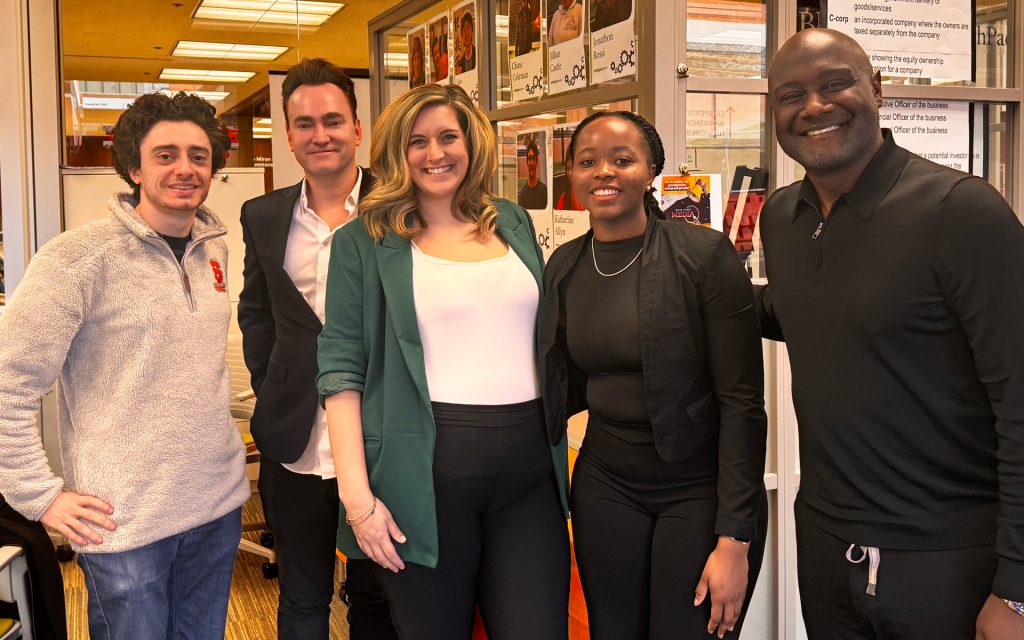
Looking back, Whittaker is pleased that he chose the non-linear route out of law school that brought him to a place where today he thrives.
He is also optimistic about emerging tools that are transforming the practice of law. “AI is coming for us, fast and furious,” he says. “It’s powerful and exciting and is going to impact every aspect of business and the law. Anyone who does not embrace it is going to be at a serious disadvantage. As for me, I’m embracing everything I can to push the boundaries of what we can achieve.”