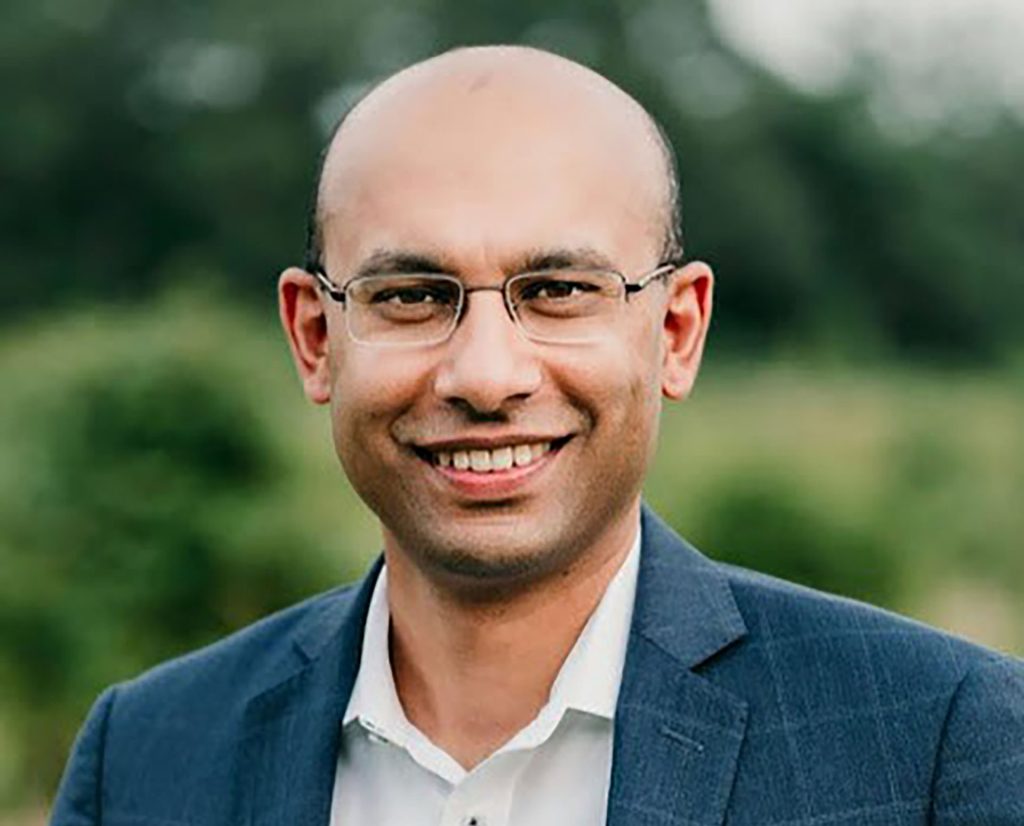
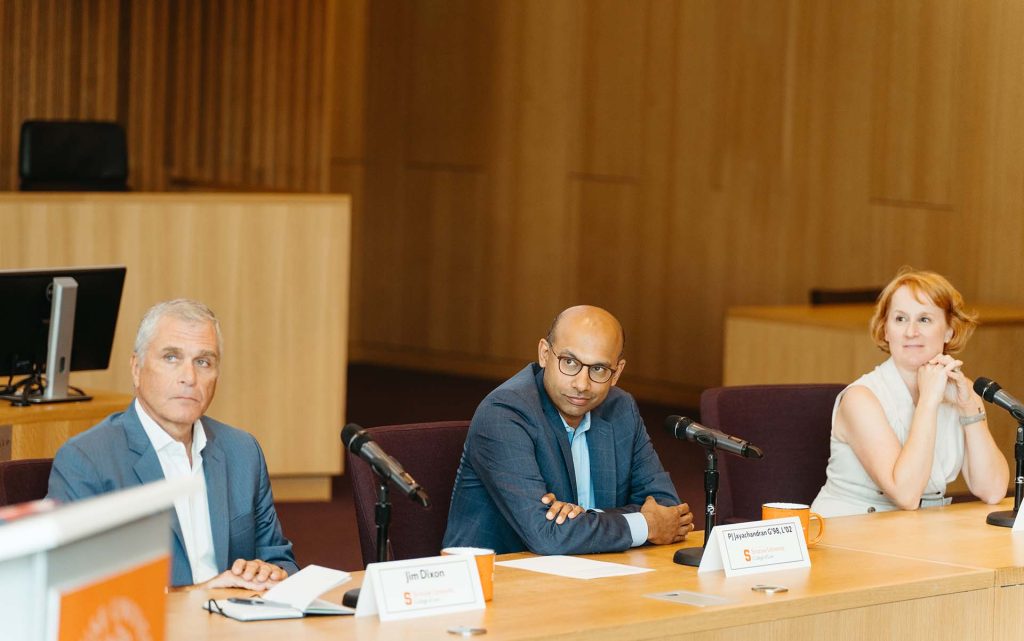
From the moment he first stepped on to the Syracuse University College of Law campus as a 1L, Prashanth (“P.J.”) Jayachandran G’98, L’98, was impressed by the outstanding professors and far-reaching alumni network. Little did he know that one day, he would be both—a distinguished professor in the hybrid online JDinteractive (JDi) program and an accomplished alumnus sharing his expertise in corporate sustainability to help prepare students for this evolving area of the law.
In recognition for his many contributions, particularly helping Syracuse Law become an early adopter of addressing corporate sustainability and the law through the development and implementation of a JDi residency course, Jayachandran has been selected as a recipient of the 2026 Law Honors award.
“When Dean Lau notified me that I had been chosen for this award, I was very grateful to be selected,” says Jayachandran, senior vice president, division general counsel, Colgate-Palmolive North America. “It’s humbling, as I’m among a group of very impressive past recipients of this award.”
Jayachandran enrolled in Syracuse Law because of its nationally recognized reputation and also because it allowed him to simultaneously earn a master’s degree in public administration from the University’s Maxwell School of Citizenship and Public Affairs. Obtaining these joint degrees enable him to launch his career practicing labor and employment law at various firms, including a 10-year stint at Morgan, Lewis & Bockius, LLP, in New Jersey.
After leaving Morgan Lewis, Jayachandran joined Colgate-Palmolive, where he has held a diverse set of roles: chief human resources & benefits counsel, interim division general counsel, Colgate-Palmolive Asia-Pacific; chief supply chain counsel, and now division general counsel, Colgate-Palmolive North America.
His 13-year career at Colgate-Palmolive led him to be a recognized thought leader and speaker on corporate sustainability, including net zero, water conservation, plastic reduction, and supplier engagement.
Contributing an Emerging Topic to the JDi Program
When Syracuse Law started exploring the establishment of the JDi program, which became one of the first hybrid online J.D. programs in the U.S., Jayachandran was eager to get involved. He cold-called then-Dean Craig Boise about teaching a course on corporate sustainability initiatives. Boise new this was something that few law schools were yet offering and suggested the idea might be a good fit for a JDi residency, an intensive, in-person weekend-long course, and asked Jayachandran to develop a curriculum.
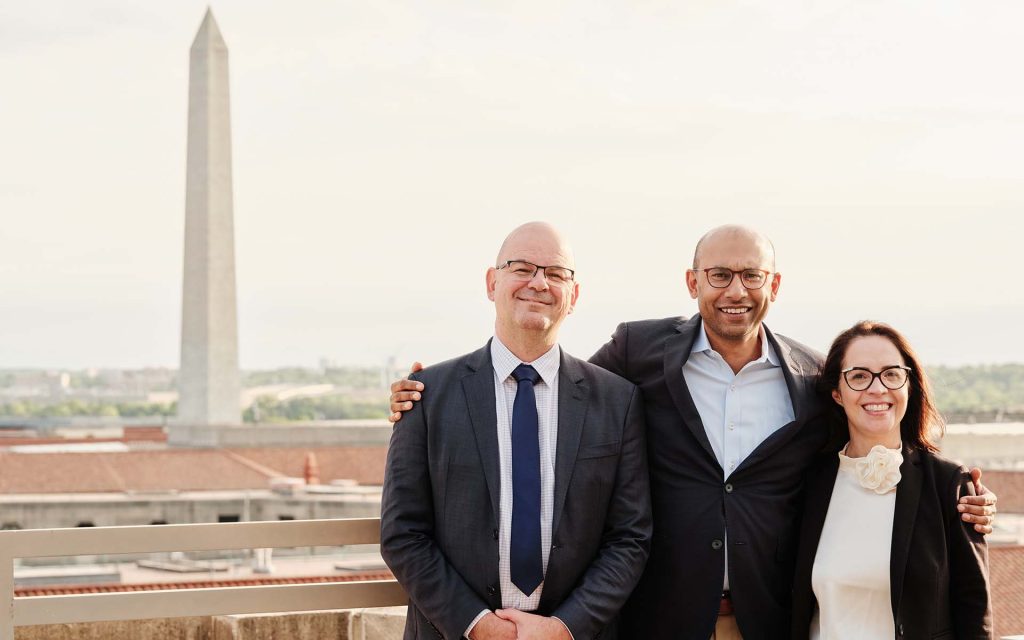
He got to work, and his first residency was held in 2021 as the College of Law was just emerging from the COVID pandemic, so he brought in virtual panels of expert lawyers and business leaders from across the country to share their knowledge regarding corporate sustainability with the JDi students. In 2022 and 2024, he held fully in-person residencies on the topic in Washington, D.C., and also created a collaborative symposium on corporate sustainability with the College of Law and the Maxwell School in 2023 and 2025.
Over the past few years, the topic has grown increasingly popular, and Jayachandran is scheduled to hold another JDi residency in December 2026 covering ever-evolving topics like net-zero strategy, responsible sourcing, corporate governance, litigation, and inclusion initiatives in global enterprises.
“P.J.’s residency on corporate sustainability has been an extraordinary opportunity for our students,” says Associate Dean of Academic Programs Shannon Gardner. “He not only shares his knowledge and time with our law students but also the ability to pull in many practitioners for major law firms and corporations to meet with them. His approach to teaching is thoughtful and engaged. As an alumnus of the College of Law, he has stepped up time and time again to give back to our students and our community.”
Continuing to Contribute to Syracuse Law
Jayachandran has also continued to serve Syracuse Law as a speaker, donor, and member of the College of Law Board of Advisors (2022-2025) and the College of Law Alumni Association Board.
“I know that all I have accomplished would not have been possible without the start of my legal journey at Syracuse,” he says. “Our alumni are an impressive group of lawyers, ranging from managing partners for some of the country’s largest law firms, general counsel and senior lawyers at Fortune 500 companies, and, of course, a former U.S. president. I want to congratulate this year’s honorees, as well, for their notable achievements. To be part of such a group of alumni is rewarding, and I am so appreciative to be recognized with the 2026 Syracuse Law Honors award.”
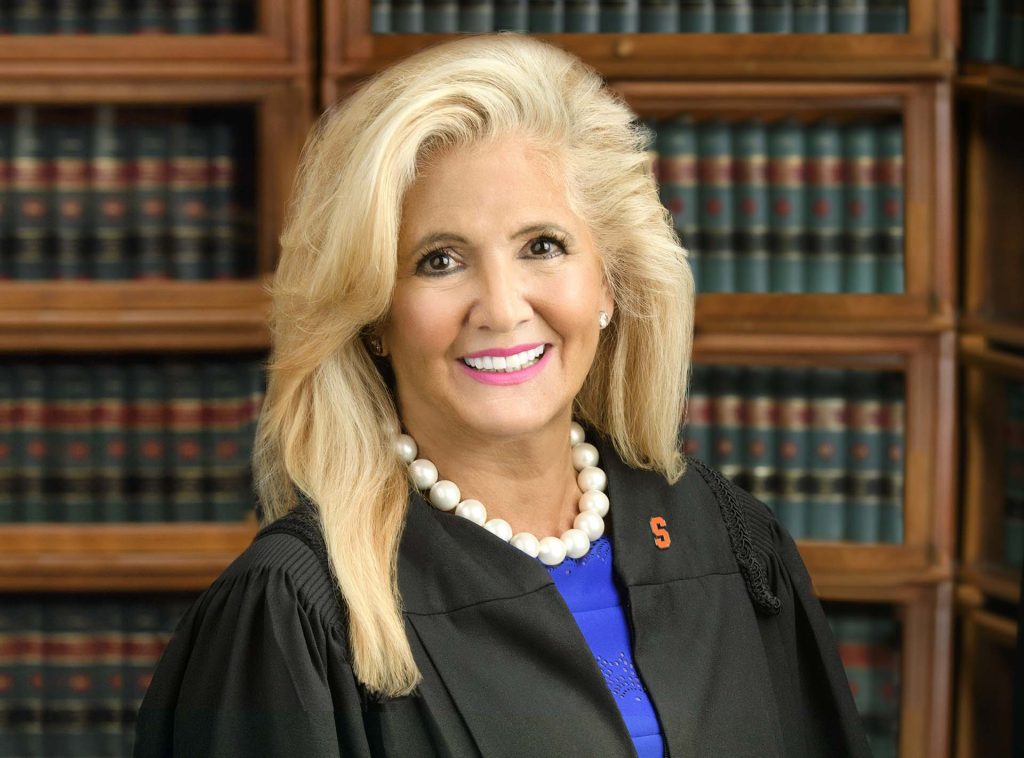
The first woman elected president of the Law Student Senate at Syracuse University College of Law. The first woman first assistant district attorney, first woman judge, and first woman elected to the New York State Supreme Court in Oneida County, New York. There’s no disputing that Hon. Bernadette Romano Clark L’89 is a trailblazer, particularly for women in the legal field, and she credits much of her success to Syracuse Law.
This spring Clark receives a 2026 Law Honors award in recognition of her lifelong commitment to the law, her advocacy for women in the profession, and her generosity to Syracuse Law as an engaged speaker, mentor, and philanthropic supporter over the years.
State Supreme Court Judge Bernadette Romano at the Oneida County Court House
Immersing Herself in the Law School Experience
Although law school was always on her radar, Clark worked in pharmaceutical sales and marketing for 13 years. However, in 1985, she attended her brother, Bernard J. Turi’s L’85, commencement ceremony at Syracuse Law and was so moved by a speech at the event about justice and how important lawyers are to the system that she took the LSATs the next month and applied to Syracuse Law.
Clark’s academic record at St. Mary’s College of Notre Dame and her professional experience spoke for themselves— giving her a place at Syracuse Law despite an LSAT score she says was not as high as she had hoped.
“It was love at first sight. I loved the environment, the professors, and everything there motivated me. I was like a sponge, always in the front row asking questions. I never missed a class,” says Clark.
She quickly joined many organizations and clubs, including student government, the trial and appellate teams, and the Survey Edition of the “Syracuse Law Review,” for which she served as technical editor.
By her final year of law school, Clark became the first woman to serve as Student Senate president. She graduated magna cum laude and was a member of the Justinian Honorary Law Society.
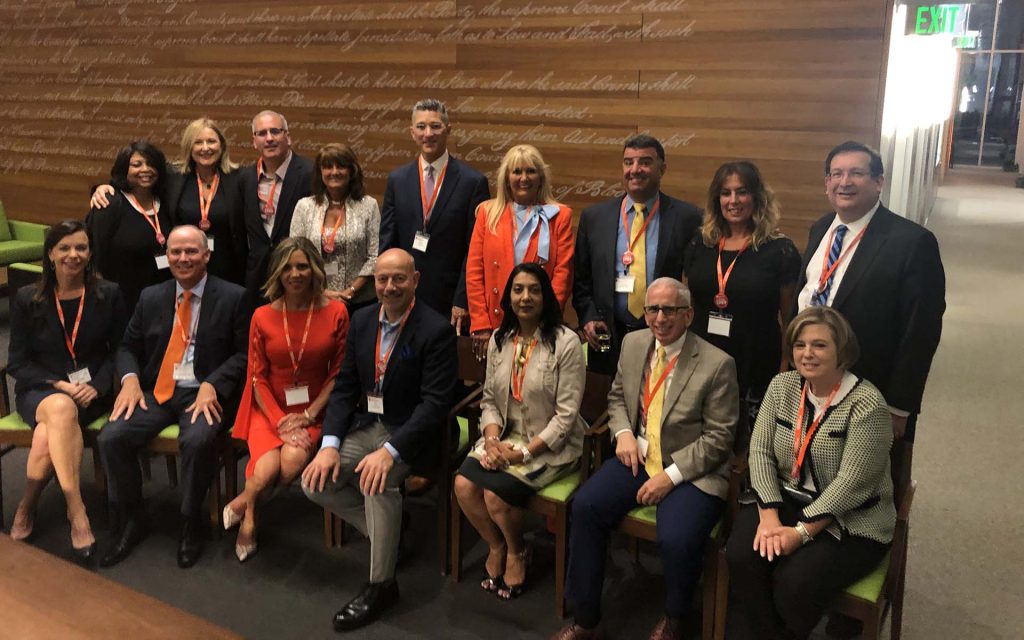
The Syracuse Law Class of 1989 at their 30th reunion in 2019.
Finding Her Niche in Litigation: From ADA to NYS Supreme Court Judge
After graduating with numerous awards for her achievements, she went on to Bond, Schoeneck & King, PLLC, where she discovered how much she enjoyed litigation.
“The litigation attorneys there were bright and articulate,” she says. She felt especially fortunate to be mentored by attorneys Catherine Richardson L’77 and Deborah Karalunas L’82, who, like Clark, went on to be a Supreme Court Justice.
In 1994, she was appointed first assistant district attorney in Oneida County, a position she held for seven years. At the time, she was expecting her second child and remembers being “flabbergasted” at those who questioned her abilities to do the job as a woman and mother.
“I didn’t fully realize the barriers for women in the legal field, as I had attended an all-women’s high school and college, and my father had always instilled in me that I could do and be whatever I wanted,” she explains. “I never experienced any obstacles due to my gender in law school, either.”
She persevered, earning the respect of her community through a strong conviction rate as first assistant district attorney, her work with law enforcement to establish a special victims unit, her improvements to the county’s child advocacy center, and her firm stance against domestic violence and elder abuse.
Seven years later, she ran for family court judge and again faced scrutiny as a female. “There had never been a woman judge in Oneida County, and people actually put out flyers claiming I wore too much make-up and my skirts were too short,” she explains. “People said, ‘We don’t need a Barbie doll judge.’” Despite these challenges, she won the election and served in family court for five years.
When she ran for New York Supreme Court in the Fifth District in 2005, she thought she had finally proven herself, but she says she was up against an opponent hand-picked by those with influence.
“People told me not to run, and that I would never win,” she explains. ”I kept hearing that the numbers were against me and that a woman would never get elected in Oneida County. But my LSAT numbers were against me, too, and that didn’t stop me from going to law school.”
Her determination paid off, as she won the Supreme Court seat by almost 20,000 votes. Today, three out of five Supreme Court justices in Oneida County are female.
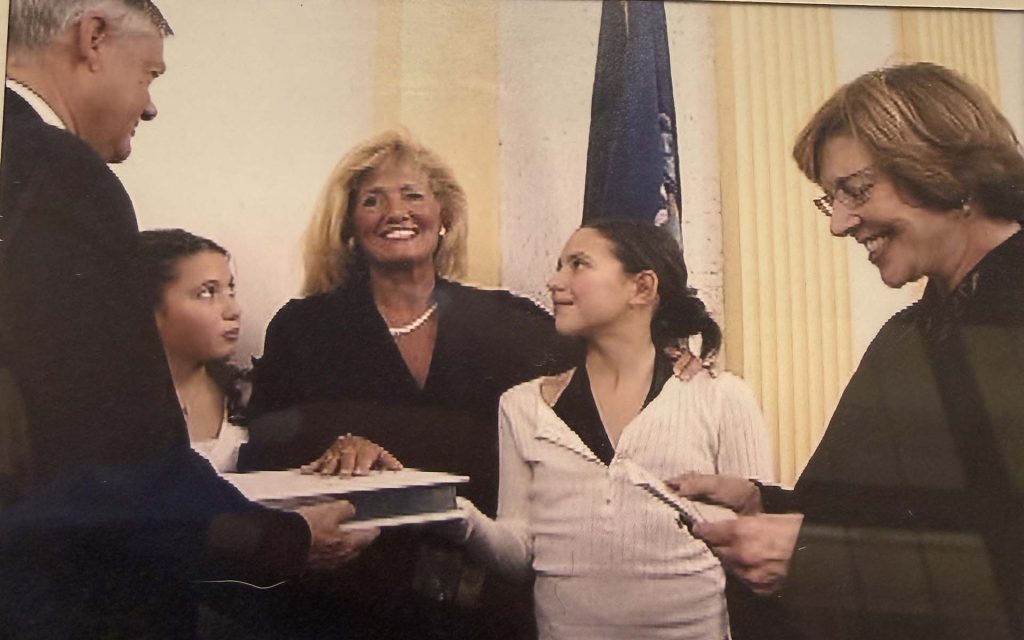
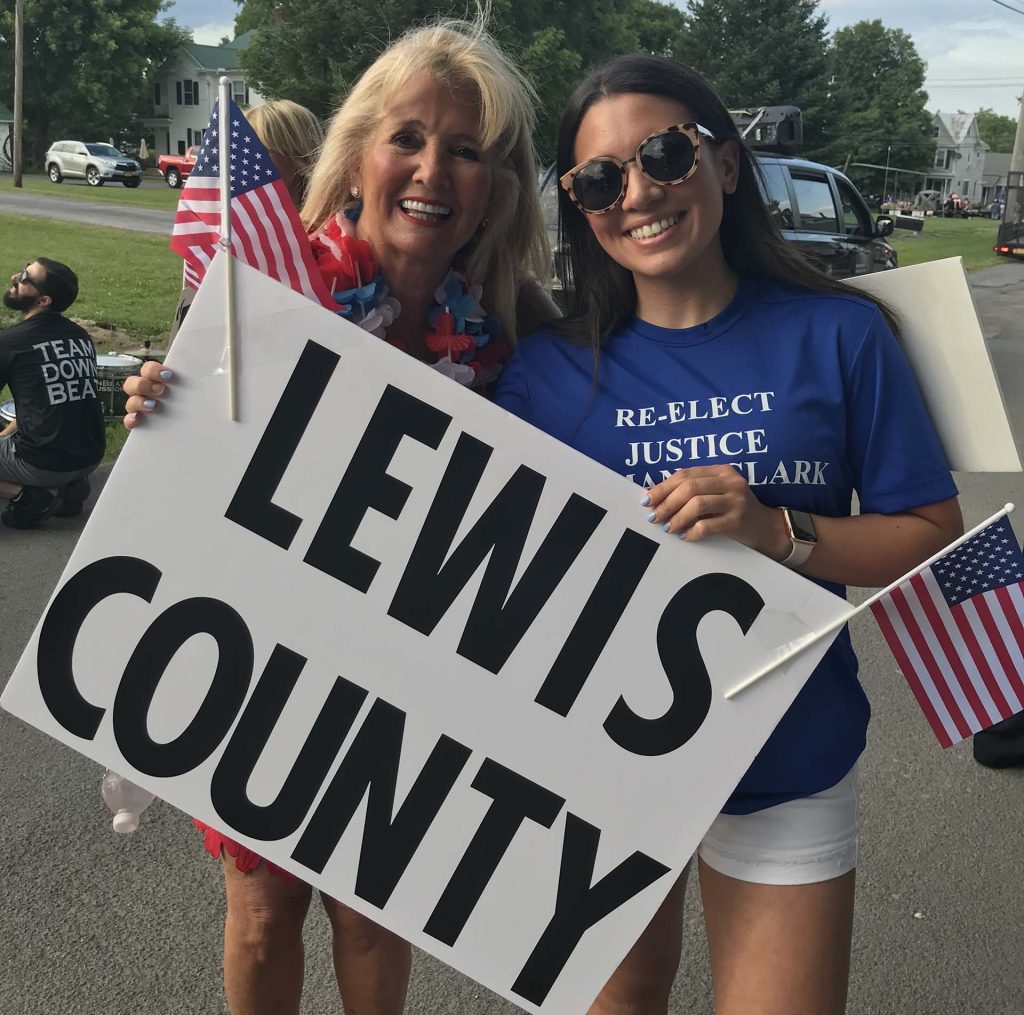
Clark at her first swearing in in Nov 2005, along with her husband Tom Clark, daughters Francesca and Alexandra Romano, and Judge Rosemary Pooler, Second Circuit Court of Appeals. Clark and her daughter Francesca at a campaign parade in Lewis County.
Crediting Syracuse Law for the Foundation of Her Career
Clark has spent more than three decades blazing her own trail in the courtroom, including 25 years on the bench. Through it all, Clark has never forgotten the strong foundation provided at the College of Law that made it happen.
Clark returns often to give back to the place where she began her legal career and enjoys participating in classes, competitions, and other student events. She often takes on Syracuse students as summer law clerks, and she is proud to say that one of her daughters, Alexandra J.L. Romano ’16, L’21, also graduated from the College of Law.
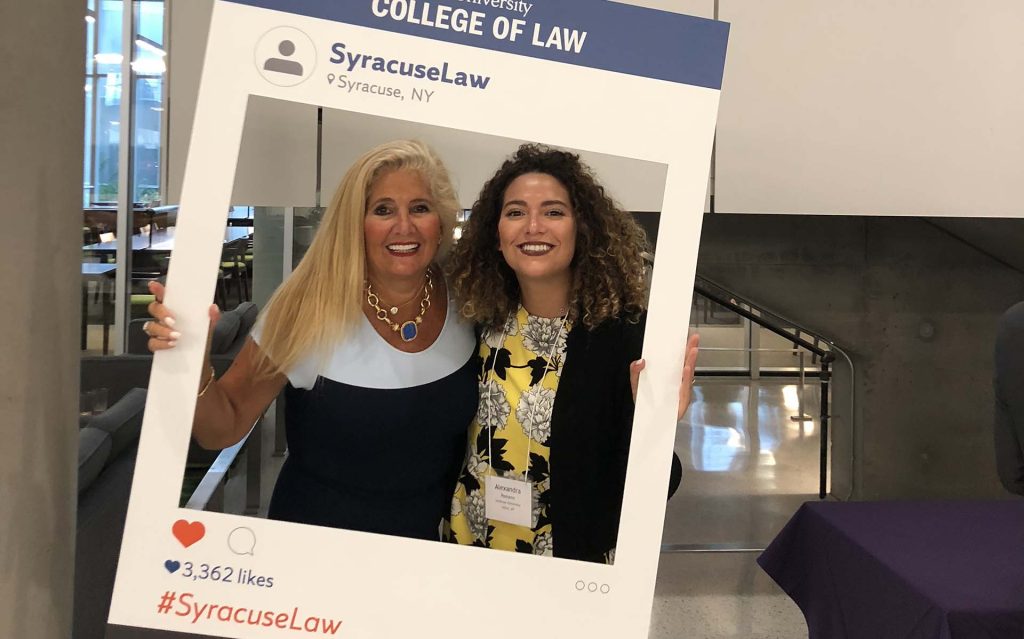
Clark and her daughter Alexandra on her first day at Syracuse Law.
Support for Clark’s nomination for the Law Honors award was outstanding, with community leaders like Onondaga County District Attorney William Fitzpatrick ’74, L’76; Hon. Deborah Karalunas L’82; Oneida County Executive Anthony Picente; Peter Angelini L’92, certified mediator and special claims attorney; Laura Casamento, former president of Utica University; New York State Sen. Joseph Griffo; Hon. Julie Grow Denton, and Hon. Elizabeth Snyder Fortino, both Oneida County Supreme Court justices; and Michael Arcuri, partner, Ward Arcuri Law Firm, touting her outstanding accomplishments and impact on the legal profession.
Clark appreciates all who have supported her from law school to the bench.
“The Syracuse Law Honors award is the crowning achievement of my career because it highlights my devotion to the Law School,” she says. “It’s very special to be recognized, and I am really touched because I worked so hard to get into Syracuse Law, and they took a chance on me. And for that, I am truly grateful.”
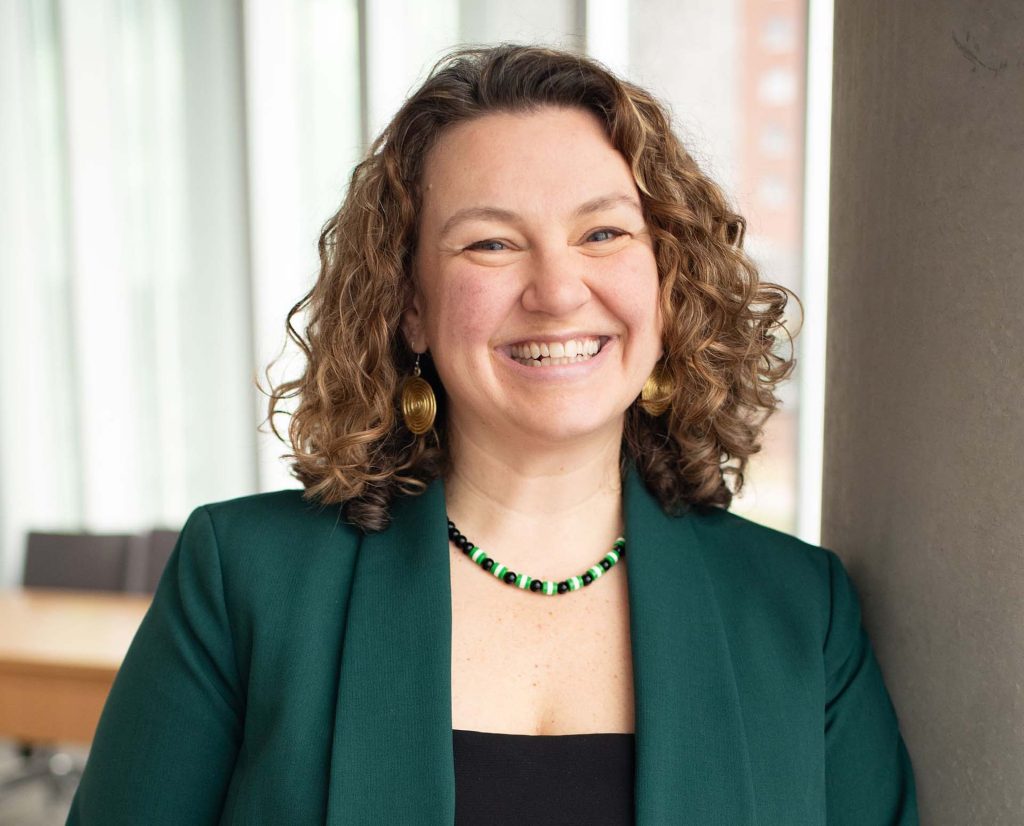
Colleen Gibbons L’17 calls her education from Syracuse University College of Law “first class” and recalls an “immediate sense of warm and welcoming humans in the building” from the day she started her law degree. Today, as she thrives in her legal career, Gibbons continues to be an outstanding alumna of Syracuse Law as a mentor, speaker, competition judge, and more, bringing in fresh ideas and educational opportunities by tapping into her professional network to help today’s students have a law school experience as outstanding as she recalls her own.
This spring, Gibbons was honored by Syracuse Law with the inaugural Emerging Leader of the Year Award for being one of the law school’s most dedicated volunteers, contributing her time and expertise in ways that make a lasting difference for law students and the broader Syracuse Law community.
“There are so many reasons why Colleen is deserving of the Emerging Leaders Award, as she gives of herself genuinely for all the right reasons without any expectations that the favor she extends is to be returned,” says Teaching Professor Suzette M. Meléndez, a mentor to Gibbons as a student and an influential colleague today.
“Colleen is a role model for others in that she brings her intellect and experience to bear in positive ways. She proposes great ideas, as well as recognizes those coming from others, and she doesn’t just comment on the sidelines but will actually roll up her sleeves to help do the work in the field. Her collaborative spirit enables her to bring good people together in multiple settings, and her authenticity and dedication to justice transcends boundaries. Colleen’s commitment defines her both personally and professionally, and we are all the beneficiaries of what she brings to the profession,” adds Meléndez.
From Teacher to Lawyer: Combining the Law, Justice and Community Systems
Currently the principal law clerk to Hon. Danielle M. Fogel L’04, J.S.C., New York State Unified Court System, Gibbons started her career as a special education teacher before earning a master’s degree and Ph.D. in human and community development with a concentration on students with disabilities from the University of Illinois-Champaign. She then returned to her hometown of Syracuse, when she accepted a job at Burton Blatt Institute.
It was during this time that she discovered Syracuse Law had a program specifically for disability law in the Disability and Policy Program, and started thinking that a law degree might fit nicely with her interest in justice and community systems. She applied and was offered a full scholarship, enrolling in 2014.
Impactful Mentors, Experiences Instilled Importance of Giving Back
Gibbons immersed herself into law school, participating as a student attorney at the Disability Rights Clinic where she represented clients in state and federal courts with a focus on the Americans with Disabilities Act and other federal disability laws; as a student attorney at the College of Law’s Sherman F. Levey ’57, L’59 Low Income Taxpayer Clinic; and as a legal intern for the Volunteer Lawyers Project of Onondaga County representing families on issues related to eviction, divorce, and more. Not only did these experiences educate her, but she was able to interact with countless individuals from the law school, its clinics and the greater Syracuse legal community who mentored and inspired her as she learned ways to advocate for others through the law.
“Syracuse Law didn’t just teach me how to be a lawyer. It instilled in me the love of the law, the rule of the law, and the excitement for practicing the law,” says Gibbons. “The law school gives its students so many opportunities to engage with practitioners and build a solid network, as well as participate in community outreach opportunities aligned with students’ interests. These experiences instilled in me the importance of giving my time and energy back to the law school. After I graduated, it became my turn to be a mentor and guide to current students in whatever ways I can do the most good.”
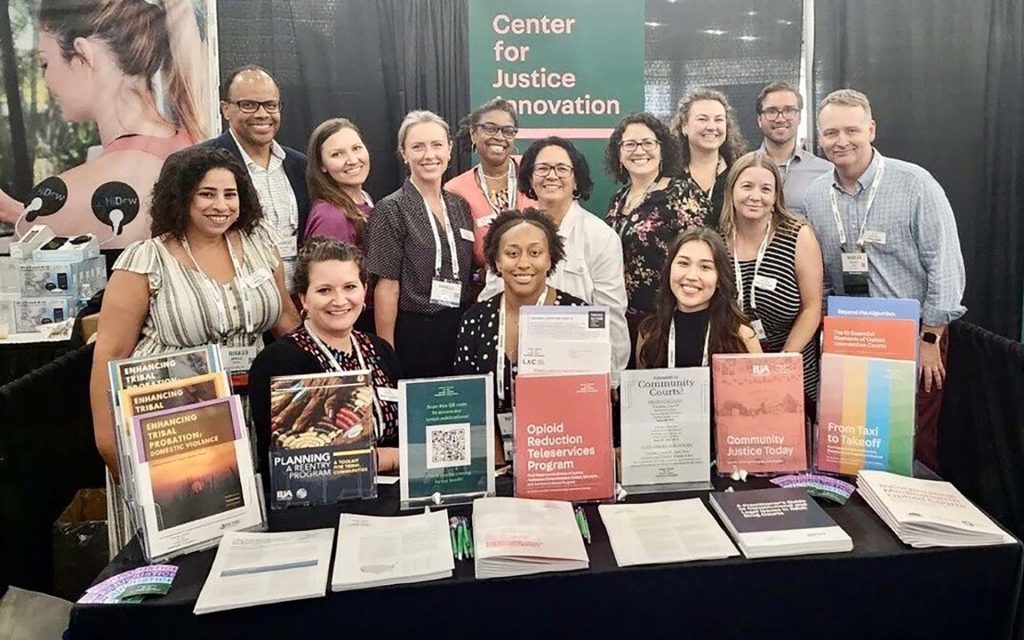
Gibbons with her Office of National Initiatives colleagues, Center for Justice Innovation.
After receiving her law degree, Gibbons joined Bousquet Holstein, PLLC, as an associate. Two years later, she became the Upstate deputy director and then senior program manager for the Center for Justice Innovation, a national training and technical assistance team focusing on adult and juvenile drug courts, veterans treatment courts, and best practices to drive justice for marginalized individuals.
Through it all, Gibbons continues doing good for the College of Law and the larger community, including through the Central New York Women’s Bar Association, of which she is the current president; the College of Law’s Alumni Association, of which she is past president; and the law school’s Women’s Law Student Association, where she recently helped coordinate The Karen DeCrow 2026 Panel, an annual gathering that brings together a group of female lawyers and judges to discuss current topics, while honoring the work DeCrow L’72 did to advance women within the legal field.
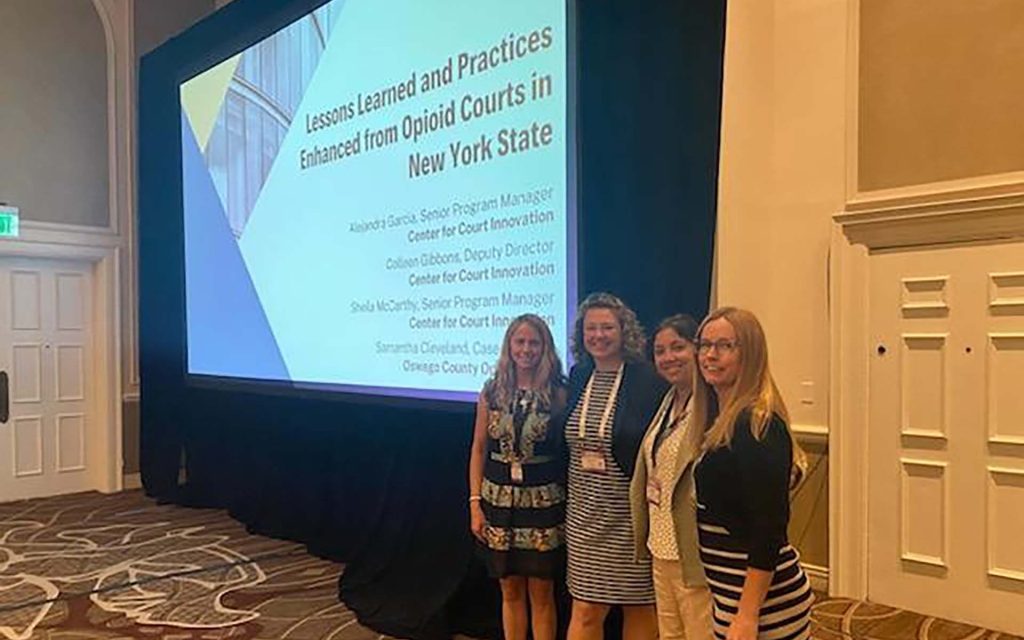
Gibbons presenting at the All Rise conference with colleagues and treatment court providers.
Gibbons Encourages Others to Stay Involved, Lift Up Students and Alumni
“I am pleased to be a part of the interconnected legal network that continues to help strengthen the Syracuse University College of Law,” says Gibbons of her involvement over the past decade. “I enjoy building mentor relationships with students and young alums by saying, ‘Here’s the lessons I’ve learned. Take them or leave them, but I’m happy to assist.’”
Leading by example, Gibbons encourages others to give back, as well. “There are always ways to stay involved with the law school,” she says. “I’ll continue for as long as I can to show up, offer support, propose an interesting speaker or event, lift up other students and alumni, and encourage them indefinitely. I’m roped in now, and I couldn’t be happier about it.”
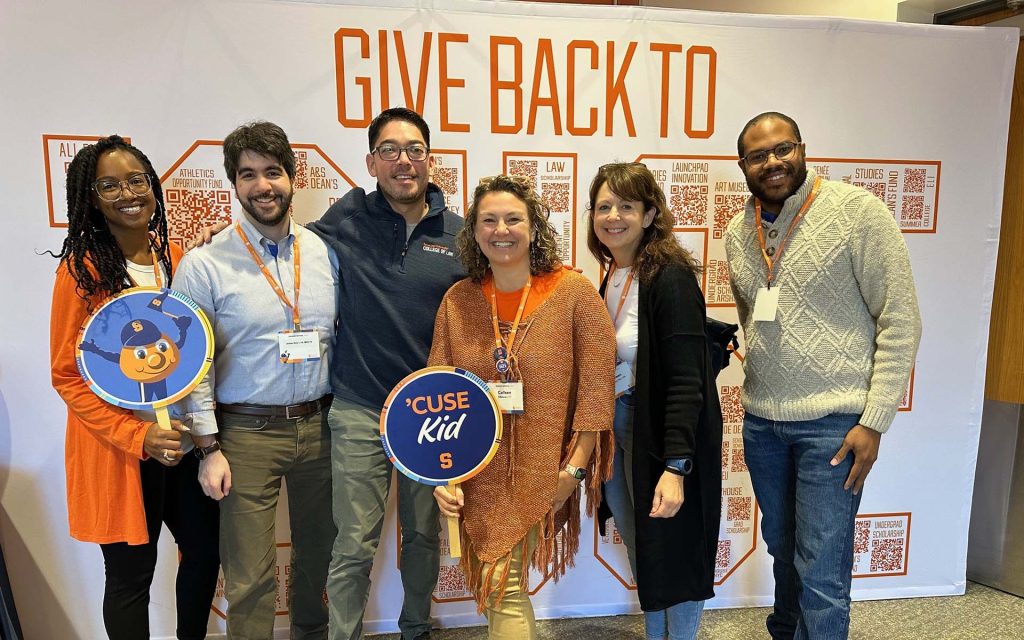
Gibbons and fellow Syracuse Law alumni return to Syracuse for alumni weekend!
Professor of Law Emeritus William C. Banks spoke with the Wall Street Journal about the White House ballroom construction and national security issues surrounding the project. One issue is the amount of information being disclosed about the construction in ongoing litigation.
Banks said one open question was whether the administration was divulging actual operational plans or instead searching for a winning legal justification for the construction.
“If it’s accurate, I think it borders on irresponsible,” he said.
Banks was the Founding Director of the Institute for National Security and Counterterrorism (INSCT), now the Syracuse University Institute for Security Policy and Law (SPL). Under Banks’ leadership, INSCT/SPL grew from its inception in 2003 to become a recognized leader in interdisciplinary research and education on national and international security and terrorism.
Not everyone interested in pursuing a law degree lives in a large metropolitan area or near a bustling college town. In fact, many students enrolled in Syracuse University College of Law’s hybrid online JDinteractive (JDi) program are located in faraway places, whether a small Alaskan city, an island in the middle of the Pacific Ocean, or rural areas throughout the U.S. For many of them, remaining in their communities is not just practical but purposeful due to personal obligations or a long-held desire to serve their communities. At the same time, they demand a law degree that offers a rigorous curriculum, opportunities to take part in law clinics, student organizations, and advocacy competitions coupled with the ability to develop bonds with classmates, faculty, and alumni.
Meet four recent graduates from out of the way places who have successfully joined the legal profession through the JDi program —proving that distance is no barrier to earning a Syracuse Law degree.
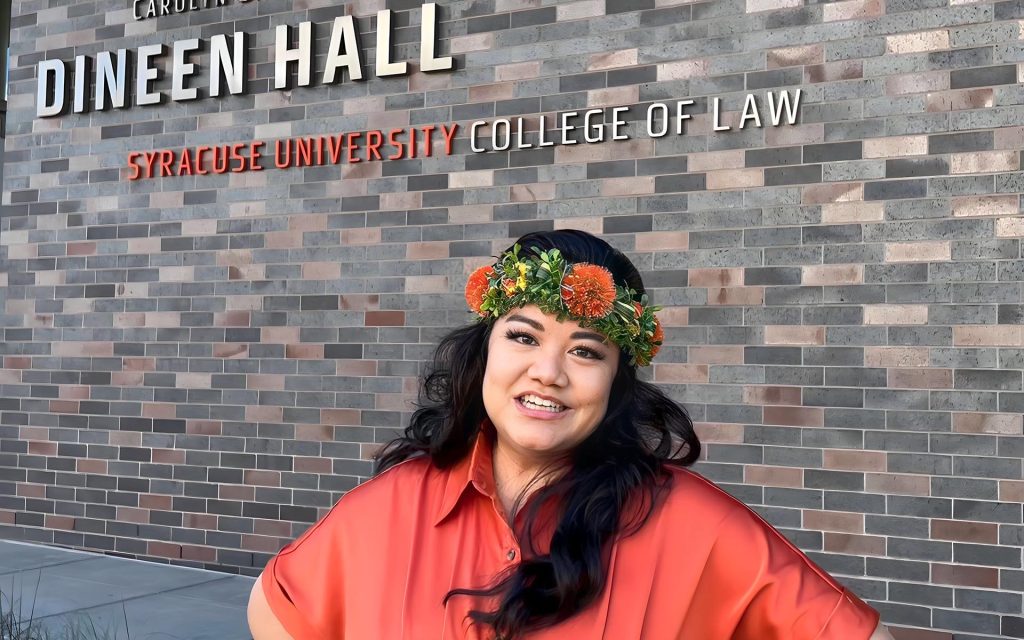
Dawnelle Forsythe L’26, Oahu, Hawaii
As a native of Hawaii, Dawnelle Forsythe L’26 lives in a small city of 44,000 on the Big Island of Hawaii. Back in the early 2000s, she wanted to become a lawyer, but the only law school in Hawaii was on Oahu, and the travel and expense was prohibitive. Instead, she went to work for the County of Hawaii Office of Housing and later the State of Hawaii Department of Hawaiian Home Lands under the Native American Housing Assistance and Self-Determination Act, which helps provide affordable housing to qualified native Hawaiians.
However, in 2019, two pivotal events made Forsythe reconsider law school. She says the first was “fate” when she saw an article about a newly established hybrid JDi program at Syracuse University that could enable her to earn a law degree without leaving home.
Around the same time, she accompanied her husband to observe a protest centering around the construction of a massive Thirty Meter Telescope at the top of Mauna Kea, the Big Island’s highest mountain and an area considered sacred by the native people.
When they arrived, over 100 protestors had formed a protective human wall in front of the kūpunas (revered elders). The kūpunas had sought to halt the construction of the 18-story telescope atop Mauna Kea and were blocking the road from construction vehicles, while the crowd chanted in support of preserving land put in trust for the Hawaiian people to ensure the continuation of their culture. As Forsythe watched, state troopers began removing those blocking the road.
“Some of the troopers were related to the aunties and uncles they were arresting, and many on both sides were crying together,” explains Forsythe. “It was such a somber event, and it made a lasting impact on me. I decided then that I had to go to law school to be an advocate for my ‘Ohana’ (family), the people of my community.”
She quit her current job at a hospital with only one thing in mind—the JDi program. “Not only would it allow me to stay at home, but I was drawn to its trial advocacy program that would help me become an attorney ready to go into court and advocate for people,” she says.
Forsythe was accepted into the JDi Class of ’26 and is now thrilled she found “her New York Ohana” made up of the “geniuses in her cohort,” as well as faculty she admires, including Distinguished Professor of Law Nina Kohn and Associate Dean for Academic Programs Shannon Gardner.
Forsythe graduates this May and must first return to work in local government to pay off her school loans. But she is committed to soon using her law degree pro bono to help Hawaiian residents, particularly those facing land rights cases who lack money for legal representation.
“It isn’t about making money; it’s about something that will totally fulfill my heart,” she says of helping her people. “I’m excited to finally reach my goal of becoming a lawyer, and I know that it would not have been possible without Syracuse Law’s JDi program.”
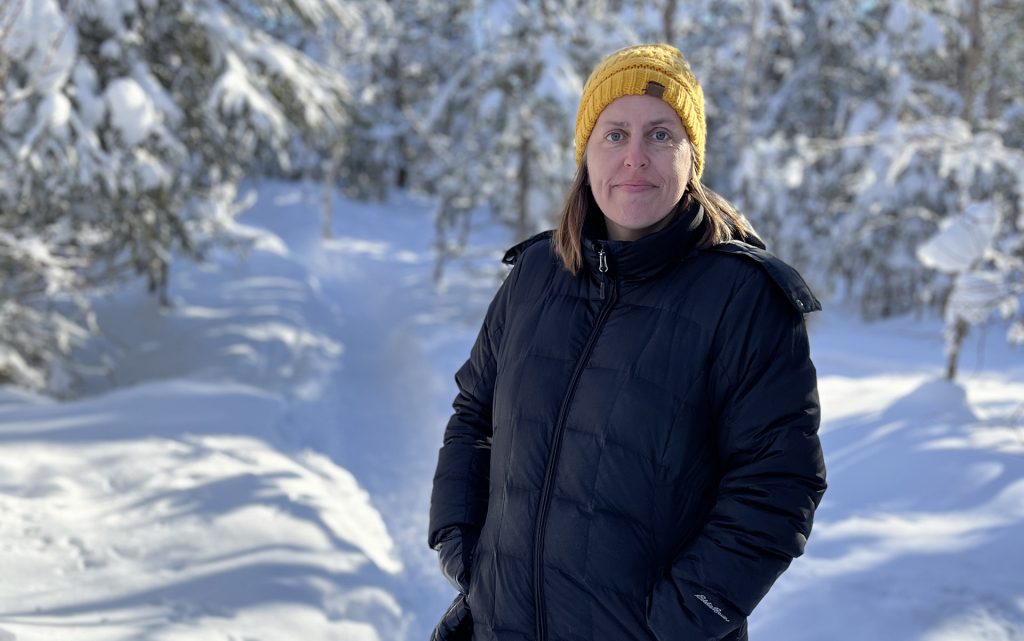
Sarah Frank Roberts L’22, Kenai, Alaska
There are no law schools in Alaska, so when Sarah Frank Roberts L’22 decided to pursue a law degree, she knew her options were limited. A mother of six, Roberts lives with her husband and family in Kenai, Alaska, a town of about 5,000 people, most of whom work in the fishing or oil and gas industries.
When Roberts discovered the JDi program, it seemed to be a solution. She could take classes and get her work done after her children went to sleep, and the four-hour time difference between Alaska and New York was manageable. She was accepted into the program’s second cohort since its founding in 2019.
“The experience was rigorous,” Roberts says. “There was no hiding in the back of the room when professors like Nina Kohn could see your face up close on the screen. I certainly got the same high level of education that those in an on-campus program received.”
According to Roberts, there is a huge need for lawyers, particularly public defenders and district attorneys, in Alaska, but with no law schools, people tend to leave to go to school and never return. Roberts was able to stay because of the JDi program, and today she is an assistant public advocate and conflict counselor for the state of Alaska, focusing on family issues like custody and guardianship.
“I get to help people, many of whom have made a lot of mistakes but still deserve representation,” she explains. “My role isn’t designed to ‘win’ but instead help families get the best outcomes for their situations, as well as allow them to see what opportunities there are to work toward their goals.”
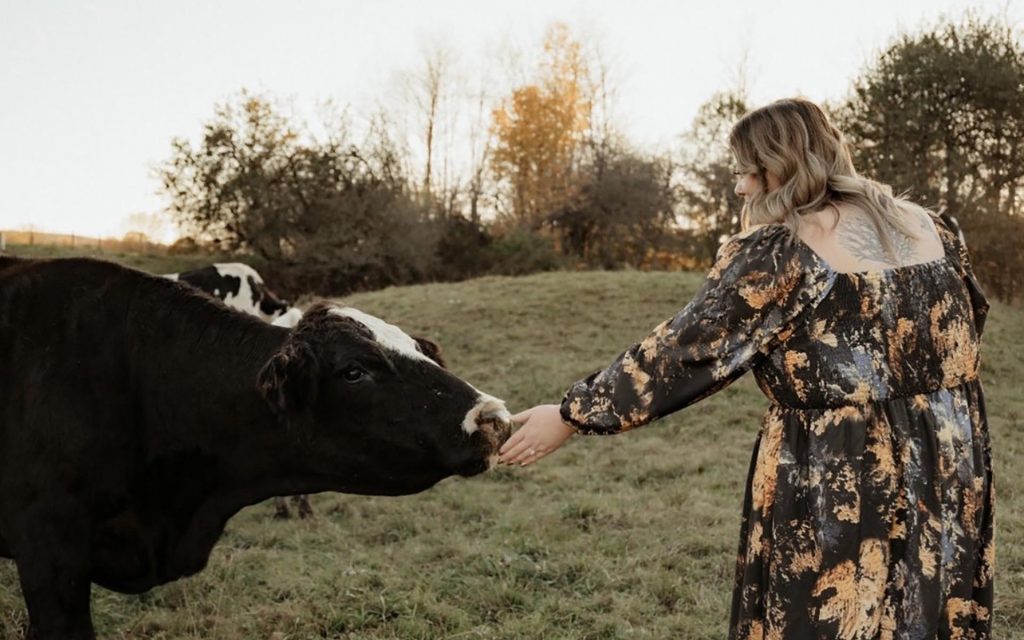
Megan Poole L’23, Cortland, New York
Megan Poole L’23 grew up on a dairy farm in Cortland County, New York, but, knowing the challenges of farming, her parents encouraged her to pursue a different career. Still, she felt most at home in her rural community.
After earning an undergraduate degree in criminology, Poole wanted to be a probation officer but didn’t get the position she originally intended. Instead, she says, “Rejection is divine redirection,” and decided to take the LSAT and pursue law school.
In the meantime, she was offered a job in the Cortland County Department of Social Services (DSS) as a case worker handling foster care, child protective services, and adoption cases. She still wanted to go to law school, but she was “too heartbroken to leave” the difficult job of helping families in need. However, when she found the JDi program, she realized she could pursue a law degree while continuing her job with DSS and helping on the family farm.
“The JDi program was certainly just as difficult as an on-campus program,” she says, adding she found great camaraderie within her online cohort. Poole especially enjoyed the required in-person residencies, where she was able to interact with fellow students and faculty both on-campus and in various other cities.
After completing the JDi program, she continued to work at the DSS in Cortland. About a year later, the Hon. A.L. Beth O’Connor, a family court judge in the 6th Judicial District of New York, which includes Cortland County, reached out to Poole about being her court attorney.
“I see both the terrible and the good, but that’s part of the job,” she says. “I think I’m making a big difference in my community, particularly for people who don’t have the resources for good legal counsel, and the JDi program was a big part of making that possible.”
An added bonus of becoming a lawyer was the opportunity for Poole, her mother, and sister to turn the family farm into Spring Valley Views, a woman-owned LLC, with plans to for it to expand it into a venue and campground.
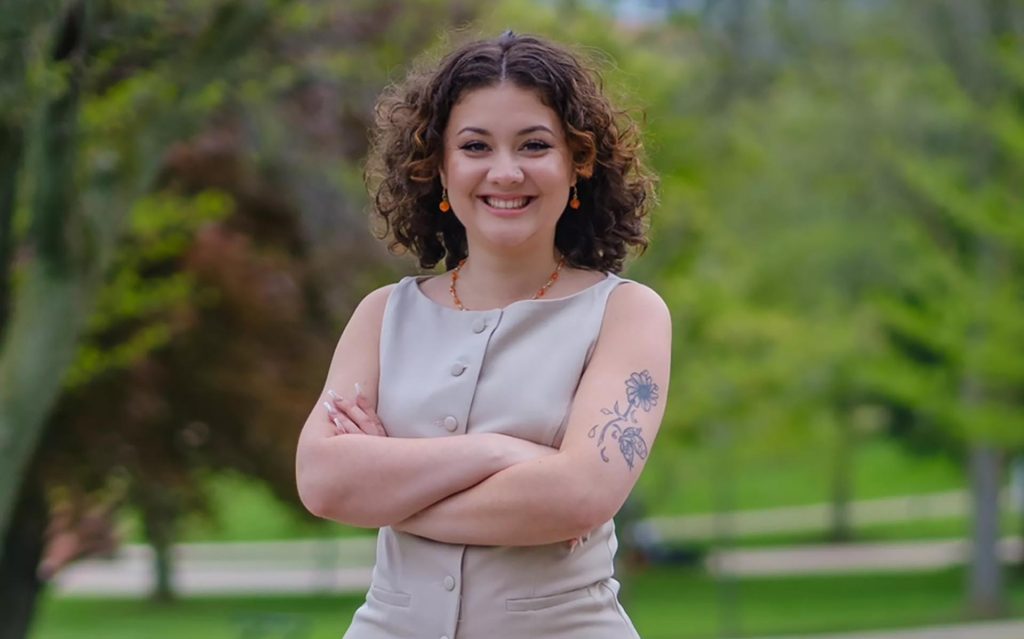
Tania Rivera Bullard L’25, Houston County, Georgia
Tania Rivera Bullard L’25 earned an undergraduate degree in psychology, figuring she would be a social worker, like her mother. But, soon after, she decided she wanted a career where she felt she could see things through from beginning to the end. Rivera Bullard decided to pursue a path offered to military spouses to become a paralegal. As she studied for her paralegal certification, she started to think, “Why can’t I be a lawyer?”
Interested in being a public defender or a civil rights attorney, she was accepted into a J.D. at an on-campus law school that required a four-hour round-trip commute from her home in rural Georgia. However, a complicated pregnancy made it impossible, and she was forced to defer her start. Rivera Bullard began looking for alternatives and found the Syracuse Law JDi program, which would allow her to remain with her family while pursuing a law degree.
Not long after, the mother of a 2 year old and an 8 month old, began the Syracuse Law JDi program and found it manageable. “I became a night owl,” she explains. “After the kids went to sleep, I would concentrate on asynchronous work and getting my reading done, and I spent long hours on the phone with my dear friend Nathan McKay L’26, my study partner, who made such a difference for me. It certainly was a careful balancing act, but if you’re willing to find the time, you can make it happen.”
After finishing her law degree and passing the Alabama bar exam, she went to work as an assistant public defender for the Houston County (GA) Public Defenders Office. She was allowed to practice in Georgia under military spouse reciprocity.
“As a public defender, you handle felony cases that nobody else wants, and, arguably, you’re experiencing the toughest, scariest times of people’s lives. I get to help them through a system that, to many, feels like it is set up to fail them,” Rivera Bullard says. “At the end of the day, I go home and feel good about the work I’ve done in my community. The Syracuse JDi program really made it possible for me to achieve my goals.”
Syracuse University College of Law graduates are achieving new bar passage and employment milestones, directly impacting the reputation of a Syracuse Law degree.
Class of 2025 graduates achieved a record 97.6% 10-month post-graduation employment and continuing education outcomes rate, as reported to the American Bar Association as of March 16, 2026.
This milestone marks the culmination of an unprecedented three-year period of excellence for Syracuse Law. Following 97% for the Class of 2023 and 96% for the Class of 2024, the Class of 2025 sets a school record, marking Syracuse Law’s highest three consecutive years of employment outcomes ever reported to the ABA.
In addition, Syracuse Law graduates achieved 94% Ultimate Bar Passage rate for 2025, representing the cumulative efforts of the Class of 2023. Graduates took the bar exam in 25 states, reflecting the increasing national reach of our JD programs.
“The record employment outcomes and bar passage are the direct reflection of the hard work our students have put into their education and career path,” said Dean Terence Lau L’98. “Our dedication to preparing students for the bar and for guiding them through their career development means our graduates are more than ready to enter the legal profession.”
Syracuse Law has climbed seven spots to reach the top 100 in the 2026 U.S. News & World Report rankings. Additionally, our Trial Advocacy Specialty Ranking, based solely on peer rankings, is #9 in the nation. This is our best overall ranking in six years and the only time we have been ranked in the top ten for Advocacy in consecutive years.
Dean Terence Lau L’98 spoke with Axios on the repayment of tariffs to businesses and the potential risks for companies pursuing refunds.
“You don’t want to hold a press conference when you do it, but I think as a company you have to file,” says Lau. “If you are owed billions of dollars from the federal government and you don’t get it back, you’re going to have a derivative shareholder lawsuit on your hands so fast it’ll make your head spin.”
Syracuse University College of Law alumni are putting their legal training to work at the forefront of Artificial Intelligence (AI) across various industries, combining law with other expertise to drive real impact.
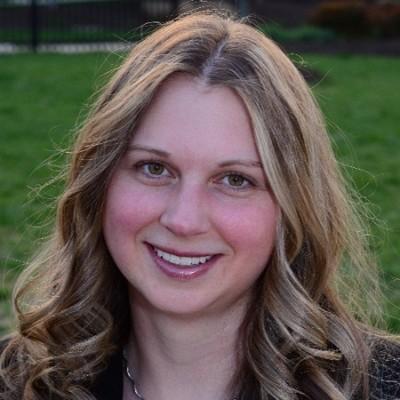
Melissa Vierling L’07
Assistant General Counsel, Technology Contracts, IP, and AI Attorney, Primerica, Inc.; Co-founder AI Governance Collective (AIGC); Speaker on Legal AI
It took more than 20 years for Melissa Vierling’s L’07 undergraduate degree in electrical engineering and her Syracuse Law degree to come together. But “the day I was told I would be the legal advisor for AI at my company was truly rewarding,” she says.
She began her career at Lockheed Martin, a global aerospace, defense, and security company, working as a senior technical program manager and systems engineer. While at Lockheed, she enrolled part-time at Syracuse Law, which offered a certificate in technological commercialization & management that aligned with her interests in IP, technology, and program management.
Three years ago, she started at Primerica, Inc., and became assistant general counsel for the legal technology group. In this role, she focuses on technology transactions, intellectual property, and AI governance, as well as evaluating technology and AI tools, and helping implement corporate policies. As an AI lawyer—a relatively new role in law—she works closely with information technology and cybersecurity teams advising on the adoption and use of AI and helps develop internal training on responsible AI use.
“My career in technology and program management taught me to understand the system, anticipate risks, and solve complex problems. I bring that same mindset to law. Defense systems are high-stakes, but safeguarding people’s information and privacy carries its own important responsibility,” she says.
Advice to law students: “You don’t need to become an ‘AI lawyer’ to work with AI. It touches so many areas of law. Lawyers should know how to use AI tools, understand how AI tools manage data, and have knowledge of its risks, especially around bias and privacy. Think about what excites you, and do what makes you happy. AI will almost certainly be part of it.”
Syracuse University College of Law alumni are putting their legal training to work at the forefront of Artificial Intelligence (AI) across various industries, combining law with other expertise to drive real impact.
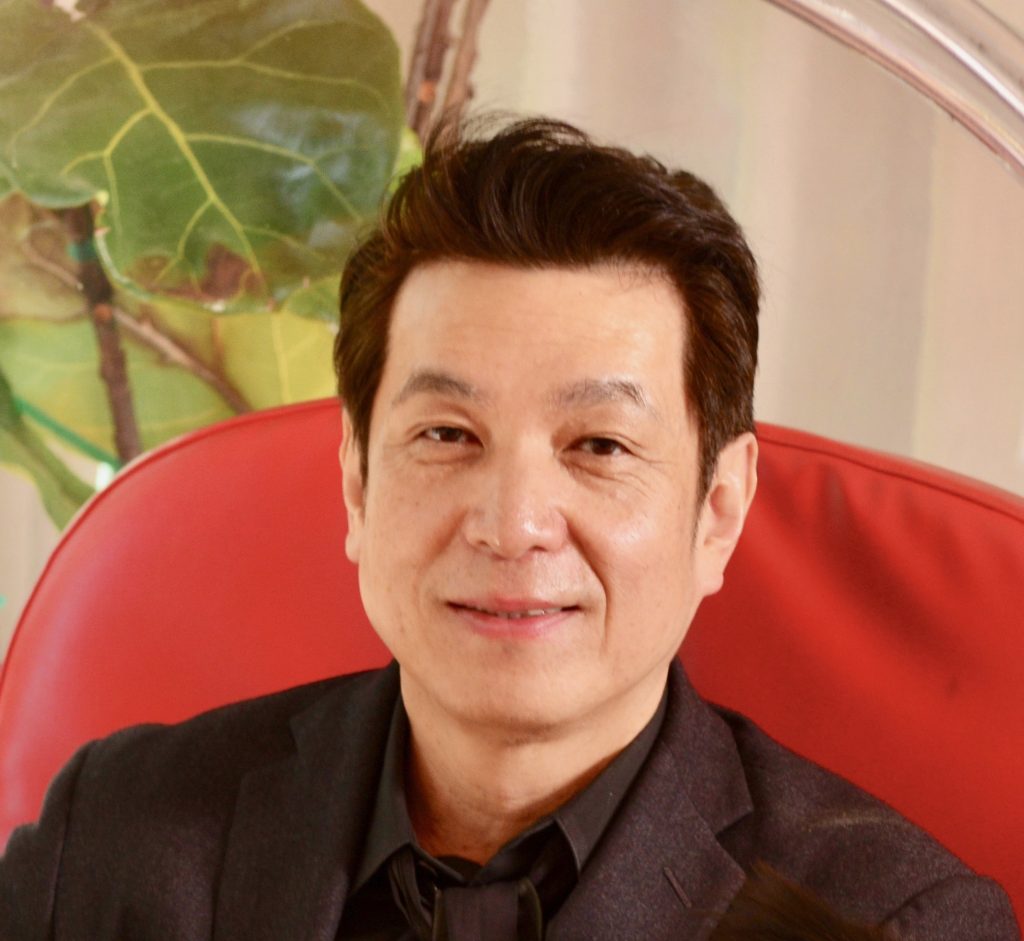
Pete Su L’94
Vice President and General Counsel, Moley Robotics; Expert in AI Robotics and patent strategy; Former Partner at Silicon Valley office of Dentons U.S.; Practiced intellectual property law at Fenwick & West; Co-chair of San Francisco Regional Council of Syracuse University; IAM Strategy 300 Global Leaders • IAM Strategy 300 • Design Engineer at AMD
While a partner at the Silicon Valley office of Dentons U.S., Pete Su L’94 represented and incorporated Moley Robotics, a London-based company developing the world’s first fully-automated robotic kitchens with AI models that prepare a variety of gourmet dishes. He now serves as the company’s general counsel.
Su was a design engineer at AMD in Silicon Valley before studying at Syracuse Law in its Law, Technology and Management Program (now known as the Innovation Law Center). Since graduating, he has been advising emerging technology companies in Silicon Valley and venture funds.
Ten years ago, robots were mostly limited to niche areas such as automobiles, space exploration, and toys, with relatively small markets and little venture capital interest,” he says. “The world has changed dramatically in just the three years with the explosion of physical AI.”
“While working with the founder of Moley Robotics on patent strategy, I had a eureka moment: this could be an ‘iPhone moment,’ similar to when Steve Jobs and Apple filed their first smartphone patent,” he says. “Since 2014, we have developed and continue to build an industry-leading robotic patent portfolio.”
As a member of the general counsel community within L Suite—an executive peer network from both public and private companies—he has hosted roundtables with major law firms and corporations on AI governance for boards of directors.
Advice to law students: “In the age of AI, I encourage law students to develop and adapt knowledge in emerging multidisciplinary fields to add value beyond rapidly advancing AI models and tools.” Su says.
Syracuse University College of Law alumni are putting their legal training to work at the forefront of Artificial Intelligence (AI) across various industries, combining law with other expertise to drive real impact.
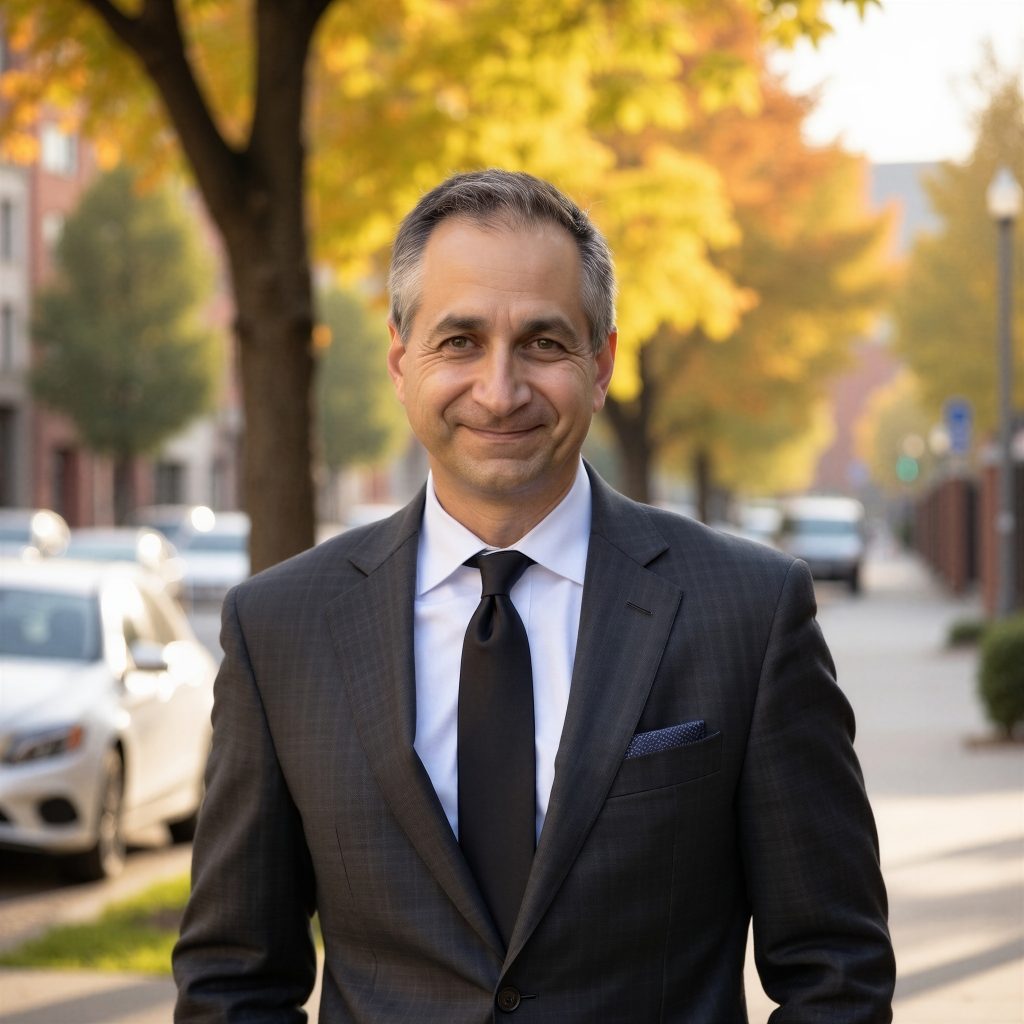
Jeffrey Saviano L’92
Expert in Ethical AI Strategy and Governance; Business AI Ethics Leader, Harvard University Safra Center for Ethics; Senior Lecturer, Massachusetts Institute of Technology; Retired Partner, Emerging Technology Strategy and Governance Leader, EY
After focusing on tax law at Syracuse Law, Jeffrey Saviano L’92 began his career at Ernst & Young (EY).
“I love the law and being a tax lawyer, but lifelong learning is essential,” he says. “Careers rarely follow a straight line. The winding path is often the most exciting; seek out new challenges that stretch you and help you grow.”
Early in his career, innovation was not his focus, but EY asked him to explore it as a potential area for growth. He couldn’t have known what that assignment would set in motion, but it ultimately became the foundation for his AI leadership role at the firm.
Retired from EY after three decades, Saviano now focuses on advancing ethical AI strategy and governance through his work at Harvard University and Massachusetts Institute of Technology. He has advised more than 100 corporate boards and senior leadership teams on aligning AI innovation with governance best practices, regulatory requirements, and organizational values.
“History shows that humans adapt to major technology disruptions, from electricity to the internet, and I expect AI will be no different,” he says. “While a small number of roles may be fully displaced, most will evolve. More often, people will be replaced by others who effectively leverage AI, not by AI alone.”
Saviano’s first book, “Boundaries of Tolerance” (Wiley, September 2026), introduces a new framework for ethical AI leadership across both the public and private sectors.
Advice to law students: “Embrace the AI revolution and its legal applications. Look to your state bar or the ABA for guidance, and consider using generative AI to build a personal learning plan,” Saviano says. “Immerse yourself in these tools, so you can say, ‘I am an AI-enabled lawyer. Hire me because I use AI responsibly in my work.’”