The College of Law recently held a virtual swearing-in ceremony for summer semester student attorneys in the Betty and Michael D. Wohl Veterans Legal Clinic (VLC) with U.S. Court of Appeals for Veterans Claims Judge Grant Jaquith.
“The College takes pride in its robust experiential education programs, which include clinics that allow students to practice in a wide variety of substantive areas of the law,” says Professor Beth Kubala, Executive Director of the VLC. Student attorneys apply complex legal doctrine to real-life matters while interviewing and counseling clients, drafting motions, briefs, contracts, and many other documents, and representing clients in court proceedings and in other transactional matters.
The VLC provides representation to veterans and their families who are seeking benefits from the U.S. Department of Veterans Affairs or upgrading an unfavorable discharge through the various military services. While representing real clients, student attorneys gain an understanding of military culture, interact with government agencies, develop case management skills, improve advocacy skills, and instill the value of pro bono service.
Before the oath, Judge Jaquith, an Army veteran, shared that veterans benefit from having the advice, assistance, and advocacy of a lawyer that nearly always sharpens the identification and presentation of relevant facts and applicable of law, hastens resolution, and increases the likelihood of an appropriate outcome.
Judge Jaquith said, “There is a real need for your help and a real opportunity for you to gain valuable experience and make a real difference for Soldiers, Sailors, Flyers, and Marines who have sacrificed their health in military service as well as the spouses and family members that have depended on them.”
The ceremony concluded with Judge Jaquith administering the oath in which the student attorneys promised to abide by the rules of professional responsibility and courageously represent their clients. All students are part of the JDinteractive program.
Clinic students discussed the summer clinic experience.
“I wish that I would have started with the clinic earlier. These veterans are so grateful for the assistance and have waited unacceptable amounts of time to be compensated for their sacrifices. This experience allows you to sharpen your research skills, advocacy skills, client counseling skills, and record maintenance skills. I am more confident and prepared for my future legal career because of my time spent in the clinic this semester.” 2L Joe Jasper.
“Although I entered the ceremony feeling somewhat unqualified to take the oath, after hearing Judge Jaquith speak passionately about the tremendous unmet need and potential impact we, in the Veteran’s Legal Clinic could make in the lives of our vets, I proudly spoke the words of the oath feeling honored to be given this opportunity to make a real difference.” 2L Gina Bilotti.
“It was an honor to have Judge Jaquith take the time to speak to our clinic and conduct the student swearing-in ceremony. His insights as to the role of the court in the overall process of a veteran’s claim will be valuable as we advocate for our clients. Those were remarks I won’t forget. Reciting the oath before him really highlighted the impact that we can have on a veteran’s future by helping them navigate the legal/administrative process.” 2L Seth Owens.
“This group of students tonight raised their right hand and swore to zealously represent our community’s veterans. Here at the College of Law, we are proudly training the next generation of veteran advocates,” says Kubala. “These students are directly impacting the way we treat our veterans, and programs like this reflect the College of Law’s commitment in making Syracuse University the Best Place for Veterans.”

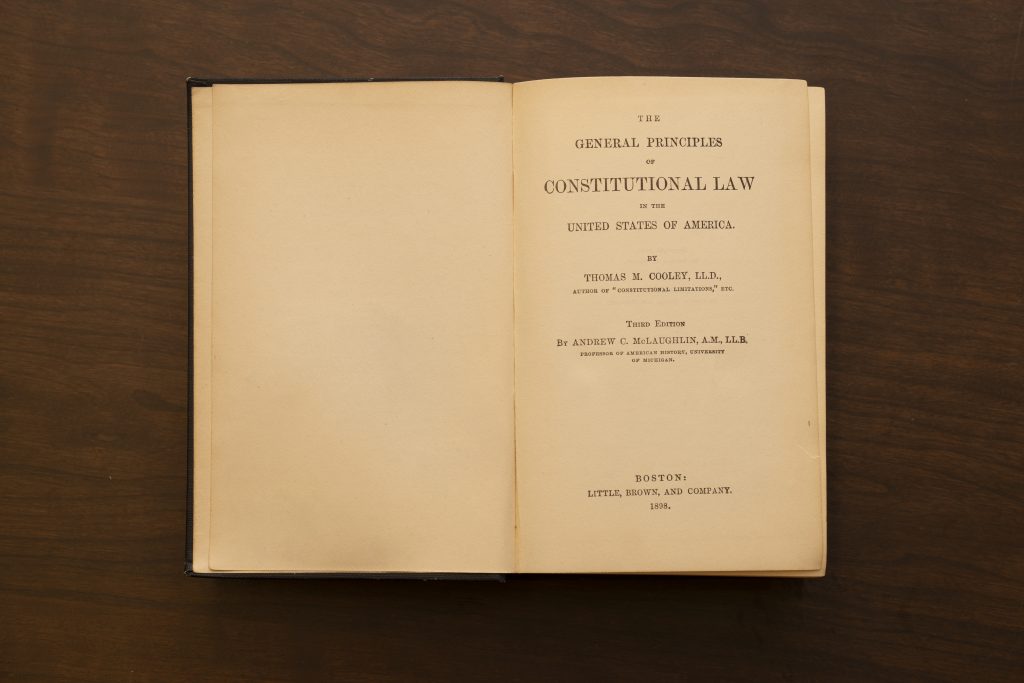
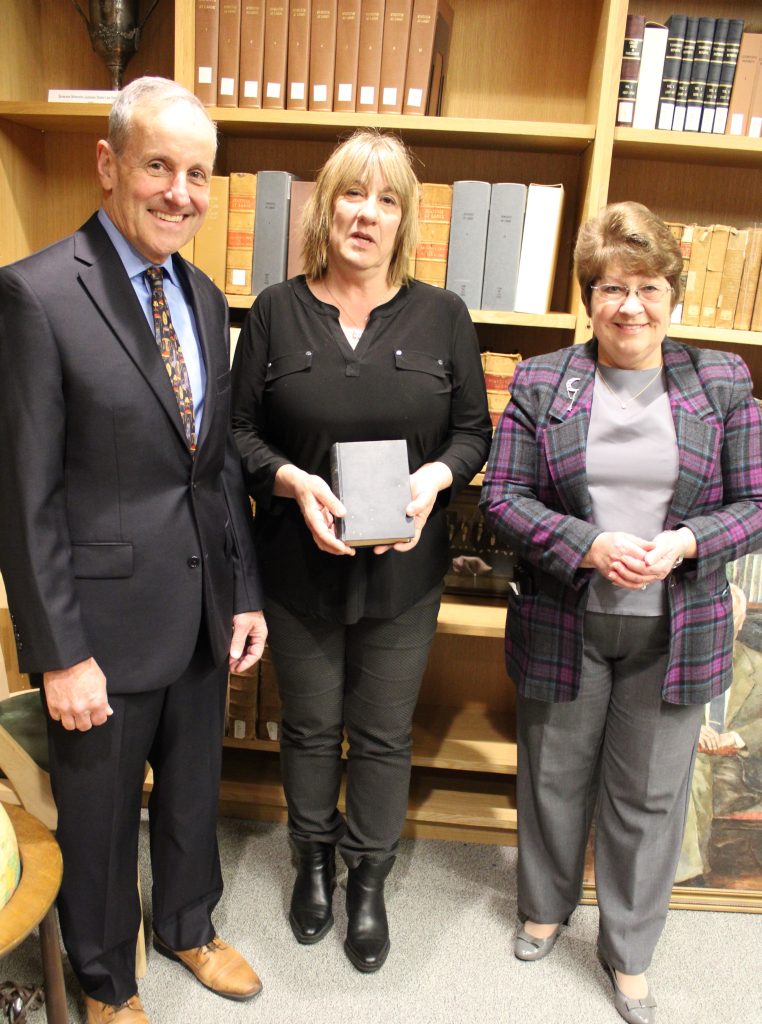
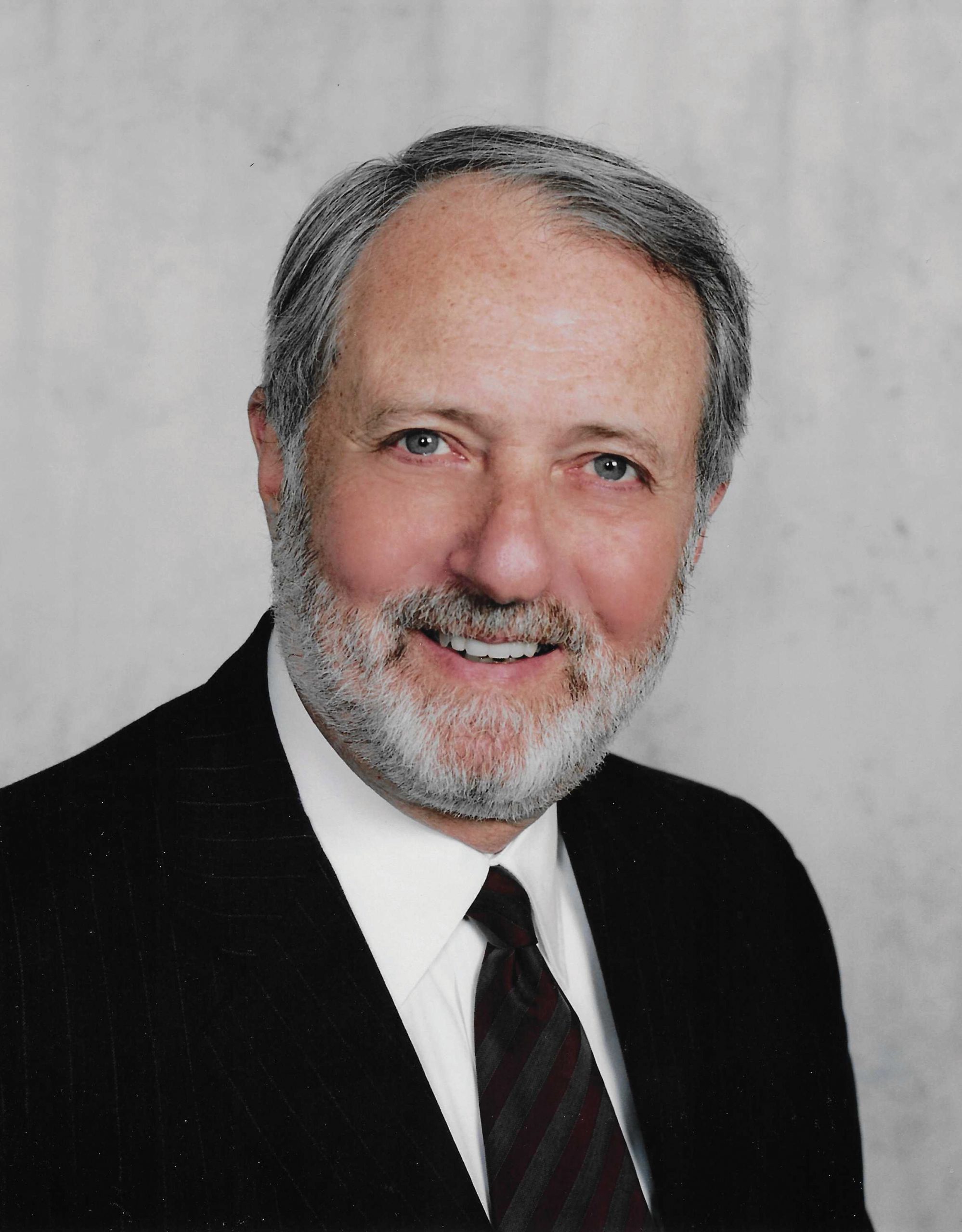 Levey, who passed away in April 2018, is credited with establishing the LITC in 2002 while teaching at the College of Law. As an adjunct professor at the College of Law and a full-time practicing lawyer in Rochester, NY he secured the clinic’s original funding. Former colleague and now Emeritus Professor Martin L. Fried recalls conversations with Levey as the idea for the LITC was taking shape, in which they discussed the need to offer law students an alternative to the criminal law clinic that was popular at the time. “We wanted to give students who were interested in business and the commercial sphere a chance to get some clinical experience in the real world and insight that could make them better lawyers,” says Fried. “Sherm was the mover and shaker behind the LITC, seeing that it could help our students and people who would never have had a chance against the IRS.” Levey served as the co-director of the clinic for many years alongside current LITC director Professor Robert Nassau.