The Syracuse University College of Law’s Burton Blatt Institute was recently featured in a U.S. News and World Report Article as one of two of the most prominent law schools in the country with specific centers or programs focused on disability rights or advocacy.
The article contains advice for law school applicants with disabilities, offering them tips to successfully navigate the admissions process and the full law school experience. Topics range from disability accommodations for the LSAT and in law school, to the option to disclose disabilities as a law school applicant and programs and resources for law students with disabilities.
Professor Peter Blanck, chairman of the Burton Blatt Institute, notes, “applying to law school requires strong self-advocacy and patience that puts a unique burden on students with disabilities.” Depending on an applicant’s specific disabilities, those burdens can vary, from stress and time burdens to practical barriers. Not all disabilities are visible, and some applicants may also have impairments such as cognitive or learning disabilities and/or mental health issues.
“Just be the best lawyer you can be,” Blanck advises. “In a competitive legal environment, it is important to have a basic grounding to be a well-rounded lawyer.”
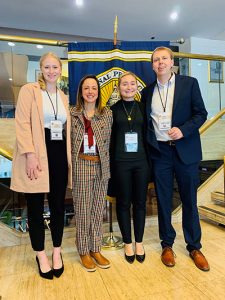
Professor Elizabeth Kubala, Executive Director of the Betty and Michael D. Wohl Veterans Legal Clinic, was recently awarded a grant from the New York Health Foundation (NYHealth) to attend the U.S. Court of Appeals for Veterans Claims (CAVC) 15th Judicial Conference at the National Press Club in Washington, D.C.
A statewide health foundation in New York, NYHealth plays a key role in building the field of professionals working to improve veterans’ health in New York State. NYHealth hopes not only to support those already engaged in these efforts but also to attract new professionals to the field. By providing funding for professional opportunities like conference attendance, NYHealth supports veterans’ advocacy leaders by enabling them to learn, grow, share, and advance their work.
A part of the yearly Judicial Conferences held for Judges of the court, this year’s program focused on the challenging landscape of veterans’ law. Highlights included guest speakers such as U.S. Senator Tammy Duckworth and the Honorable Denis McDonough Secretary, U.S. Department of Veterans Affairs. Topics ranged from legal trends to the Appeals Modernization Act and ethics. The event also featured discussions with the U.S. Court of Appeals for Veterans Claims and the U.S. Department of Veterans Affairs, Board of Veterans’ Appeals.
“As a veterans legal clinic director, I gained tremendous knowledge and insights through this conference,” said Kubala. “Collaborative opportunities like the CAVC Judicial Conference help us refine the way we both assist our veteran clients and teach our student-attorneys. I’m thankful for NYHealth’s generosity in supporting conference attendance at such an impactful convening of legal experts focused on improving access to veterans’ healthcare and benefits.”
The conference also served as an official Continuing Legal Education training for Kubala and other veteran law practitioners.
Florida Governor Ron DeSantis recently extended protections for the nursing home industry from COVID-19-related liability lawsuits, in addition to reducing the amount of resident care the facilities are required to provide residents. According to Professor Nina Kohn, this is a dangerous step in the wrong direction for resident well-being.
“Research shows that both staffing levels and the availability of skilled nursing staff are important predictors of the quality of care that nursing home residents receive,” said Kohn, an expert in elder law. “Florida’s new law reduces the number of hours of certified nursing staff time that facilities must provide to residents each day. This opens the door to nursing homes substituting trained staff for essentially unskilled labor. That is dangerous for residents and a clear step in the wrong direction.”
The full Lever News article includes additional details on the nationwide pattern of shielding nursing homes from lawsuits, and how some facilities are reducing the quantity and quality of care to cut costs.
Vice Dean Keith Bybee, Paul E. and Hon. Joanne F. Alper ’72 Judiciary Studies Professor, recently discussed the leak of the draft Roe decision with the Law Student Podcast.
Bybee and Law Student Podcast host 2L Meg Steenburgh examines the interplay of courts, politics, and the media, and discusses our nation’s legal processes throughout history.
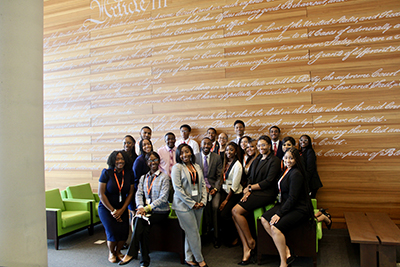
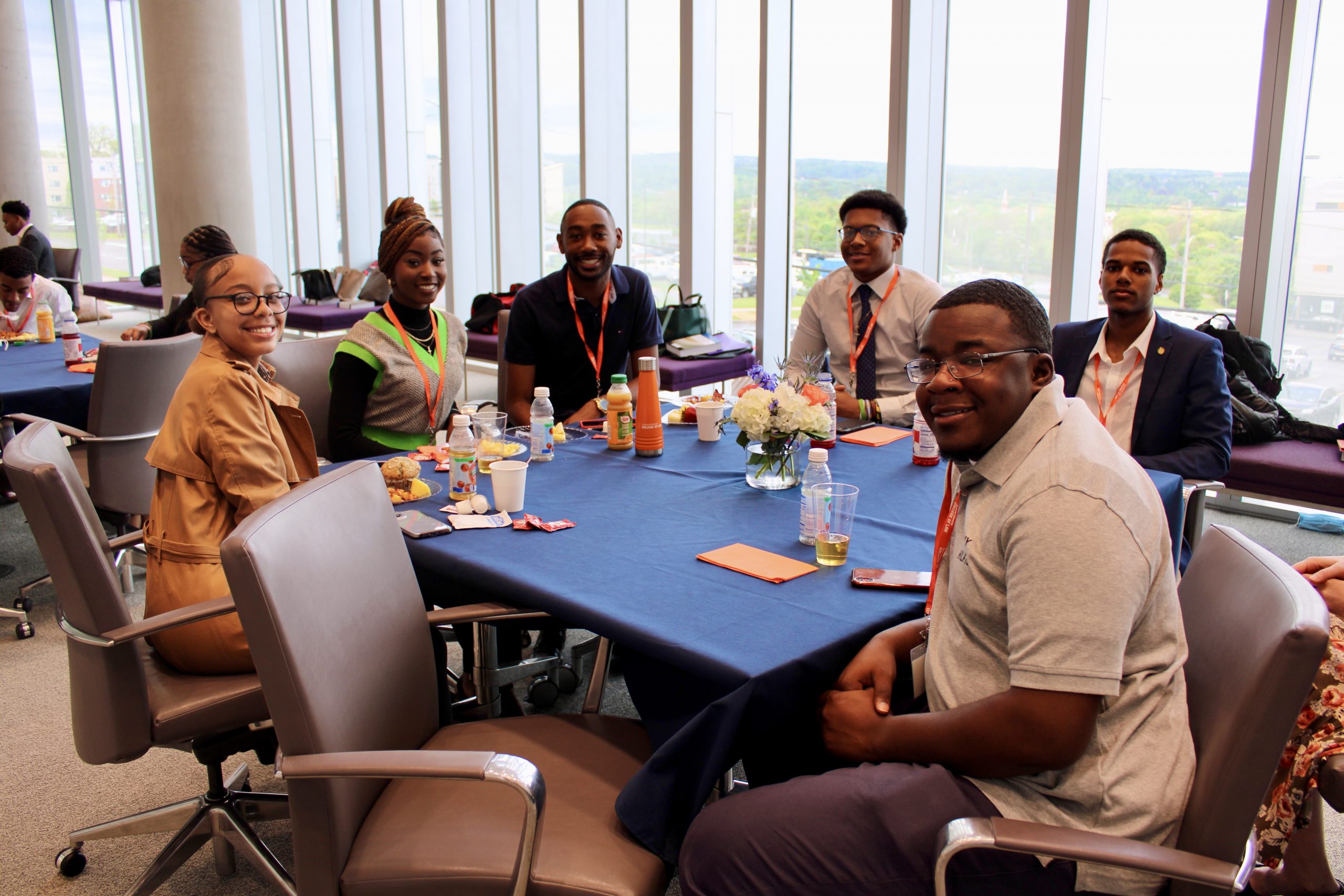
The College of Law held its Inaugural Consortium Summer Residency Program on May 16-20, 2022. Twenty-one undergraduate students from the Atlanta University Center (AUC) HBCUs, representing Clark Atlanta University, Morehouse College, and Spelman College, came to Syracuse ready to learn through a week full of academic, preparatory, social, and cultural events.
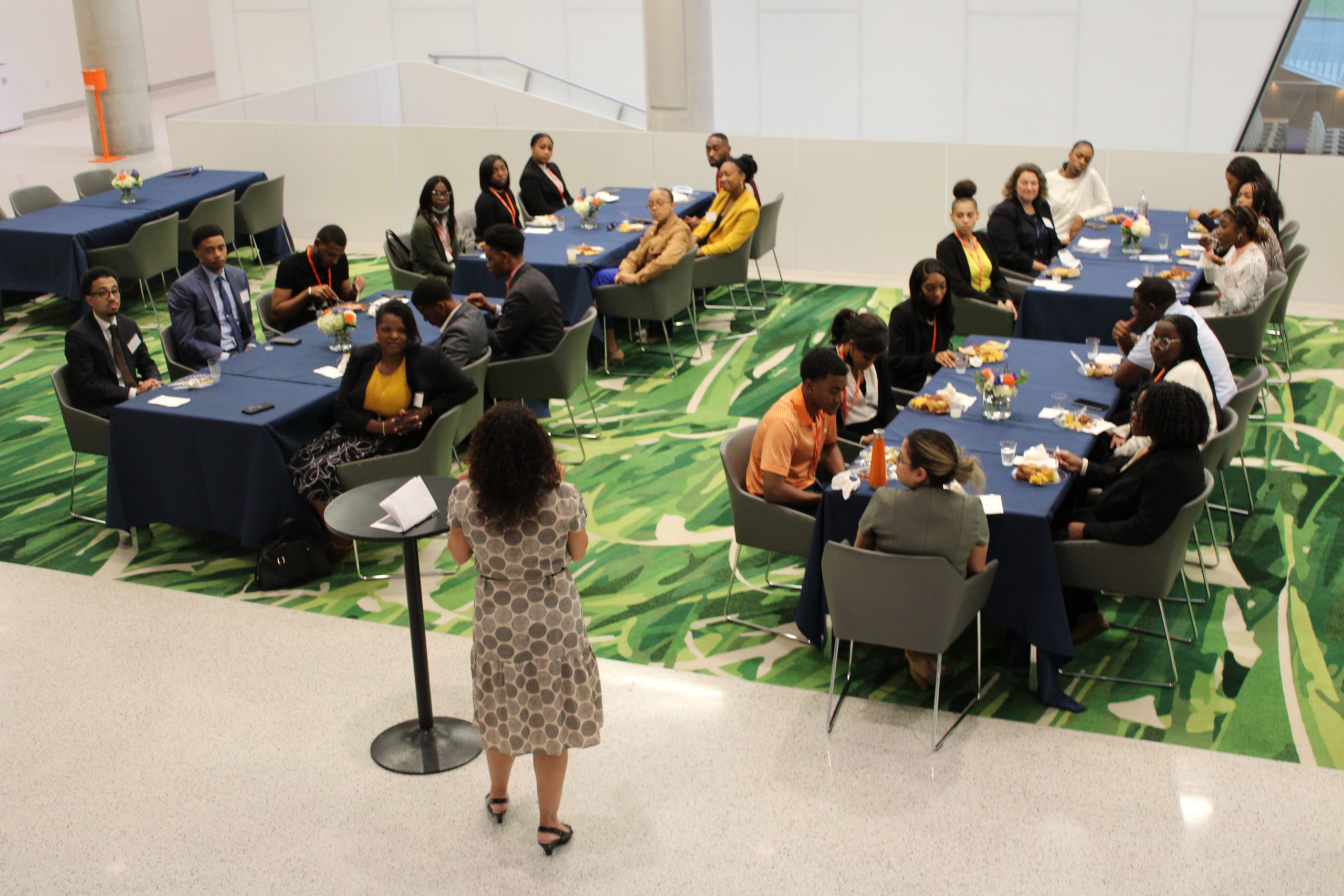
Thanks to a grant from AccessLex, these students, interested in pursuing a law degree, were able to travel to Syracuse to learn about the legal profession and how to prepare for law school. Students arrived at the College of Law ready for the slate of events planned for the week, enjoying a tour of Dineen Hall and their first class session prior to a welcome dinner with an address from Dean Craig Boise, and words of wisdom from several distinguished alumni in attendance.
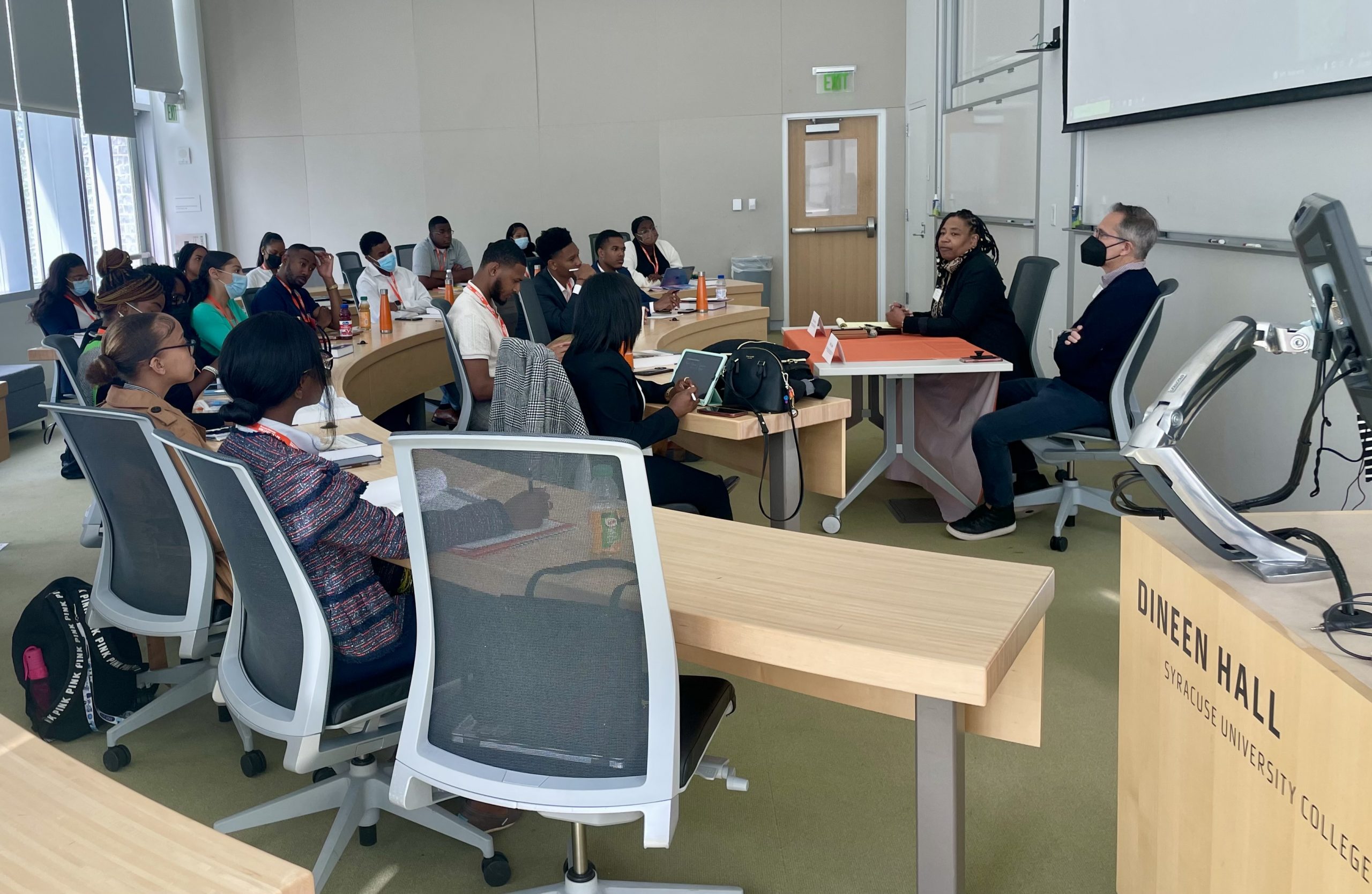
As the week went on, each day began with classroom lectures and panel discussions in Dineen Hall. Topics included a variety of subjects, encompassing:
Diversity, Equity, Inclusion, and Accessibility Developments
Constitutional Law
The Study of Law and the American Legal System
Admissions Processes, LSAT Information, and Various Resources
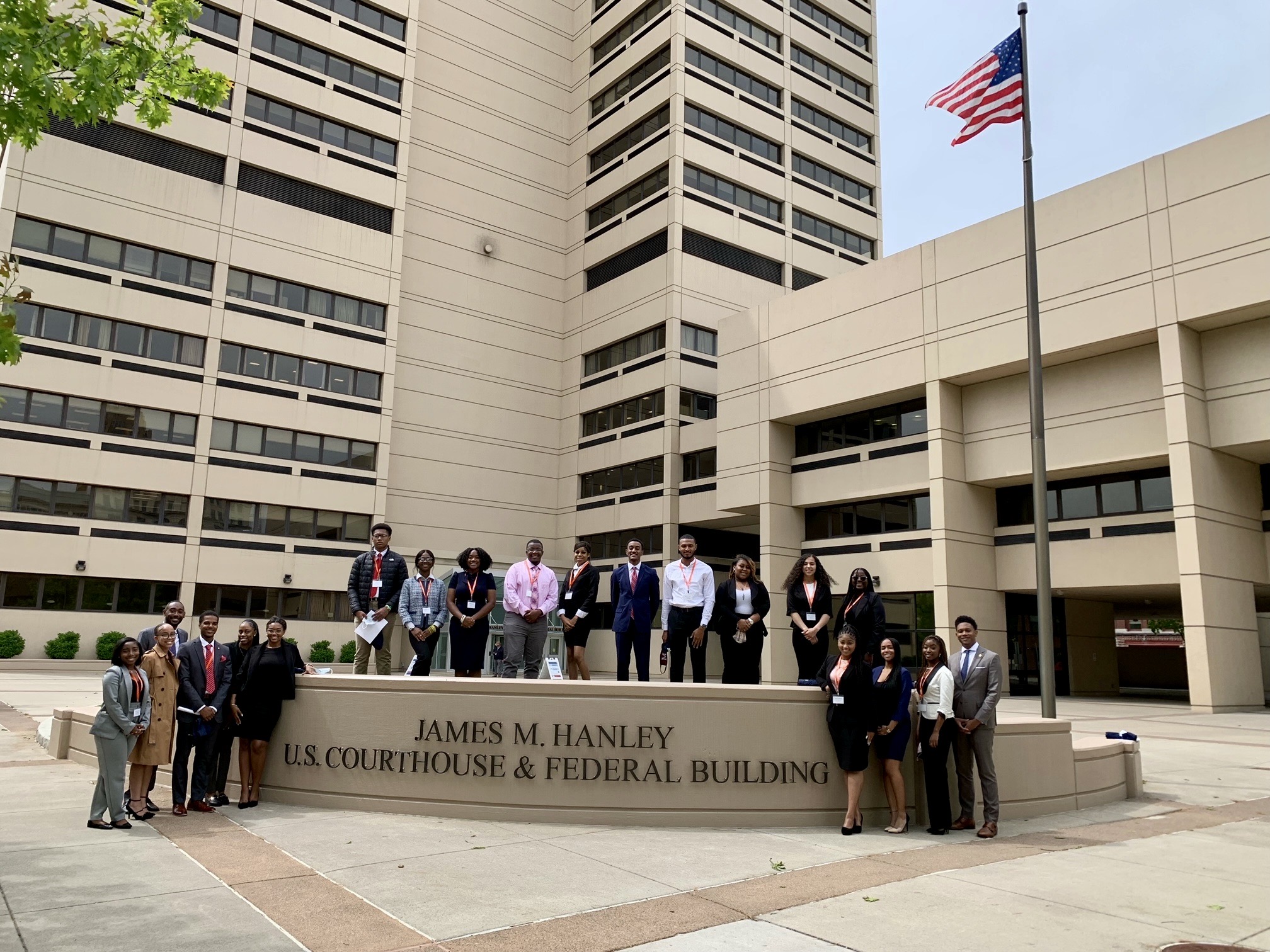
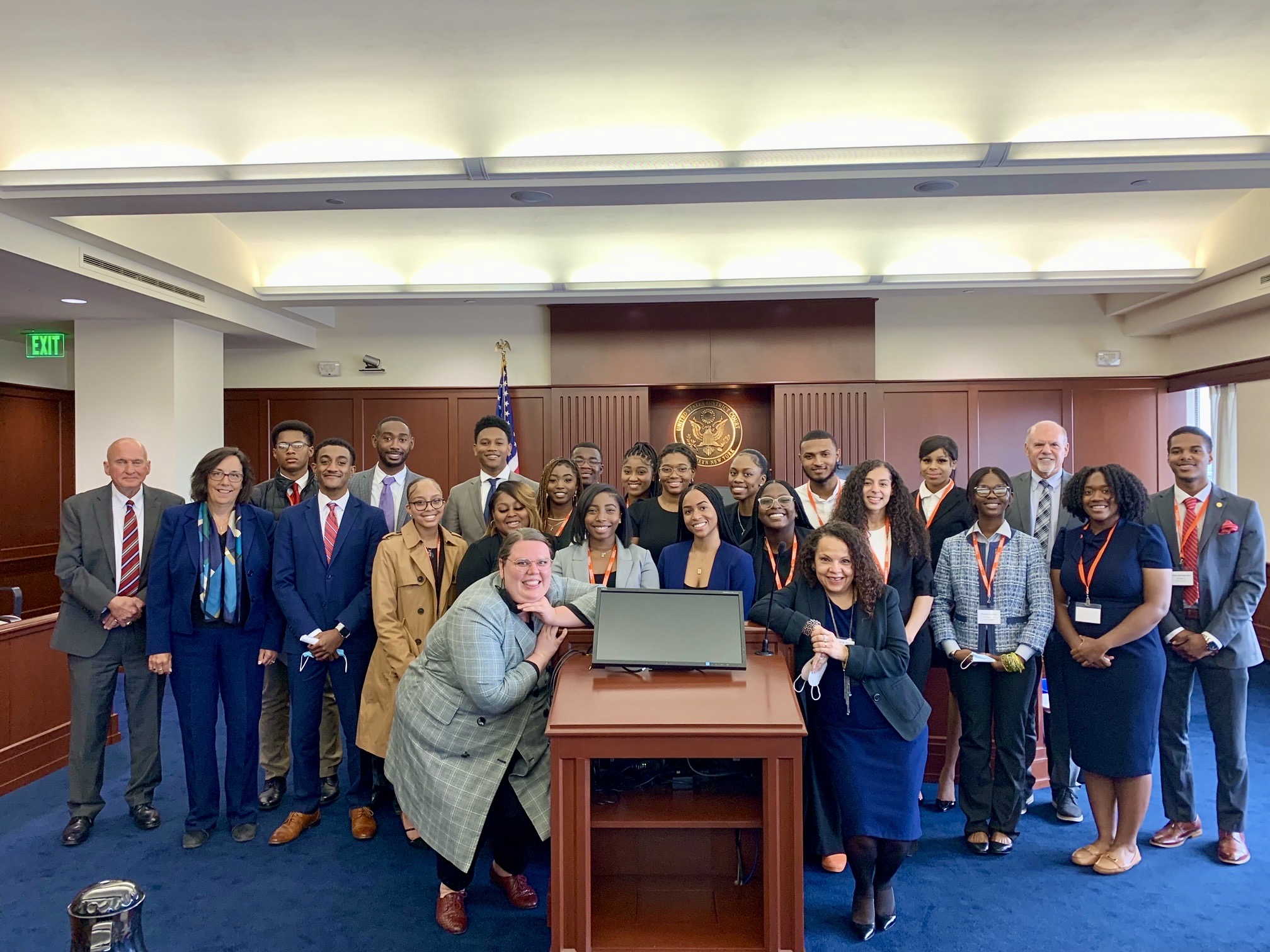
Outside of the classroom, students traveled to the Northern District of New York James M. Hanley Federal Courthouse where they heard from and engaged with Hon. Andrew Baxter (United States Magistrate Judge, Northern District of New York), Hon. David Peebles L’75 (Recalled United States Magistrate Judge, Northern District of New York), Hon. Glenn Suddaby L’85 (District Judge, Northern District of New York), and Hon. Thérèse Wiley Dancks L’91 (United States Magistrate Judge, Northern District of New York) and Law Clerk Michael Langan.
This was followed by a visit to the law office of Bond, Schoeneck and King (BSK) to hear a panel of perspectives from the Judiciary along with a networking reception attended by several alumni and attorneys from the Syracuse area. Panelists at the BSK event included Hon. Vanessa Bogan (Judge, Syracuse City Court), Dancks L’91, Hon. Deborah Karalunas L’82 (Presiding Justice, Supreme Court, Commercial Division, Onondaga County), Hon. Ramon E. Rivera L ’94 (Judge, New York State Court of Claims), and Judge Derrek Thomas (Judge, Fifth Judicial District of New York).
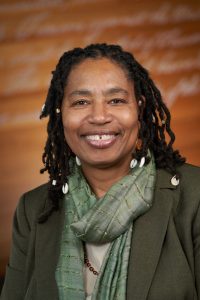
“There was robust engagement, in-depth learning, and connections made among our faculty, staff, alumni, members of our federal and state judiciary, and our local legal professionals from various public and private law firm offices,” Melendez said. “The students exceeded already high expectations with their inquiries and the manner in which they engaged. They demonstrated a great deal of interest and their poised maturity exceeded their years.”
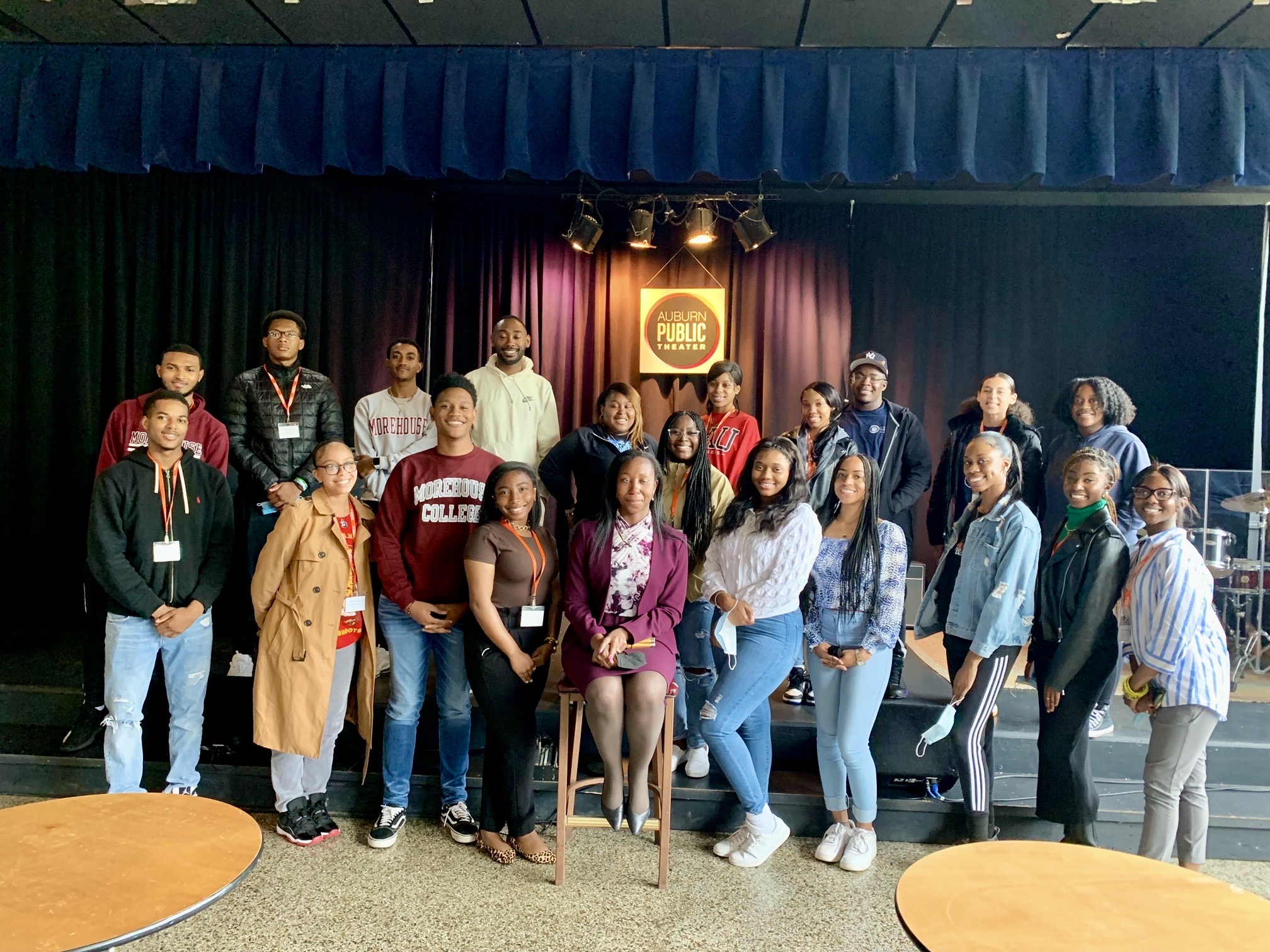
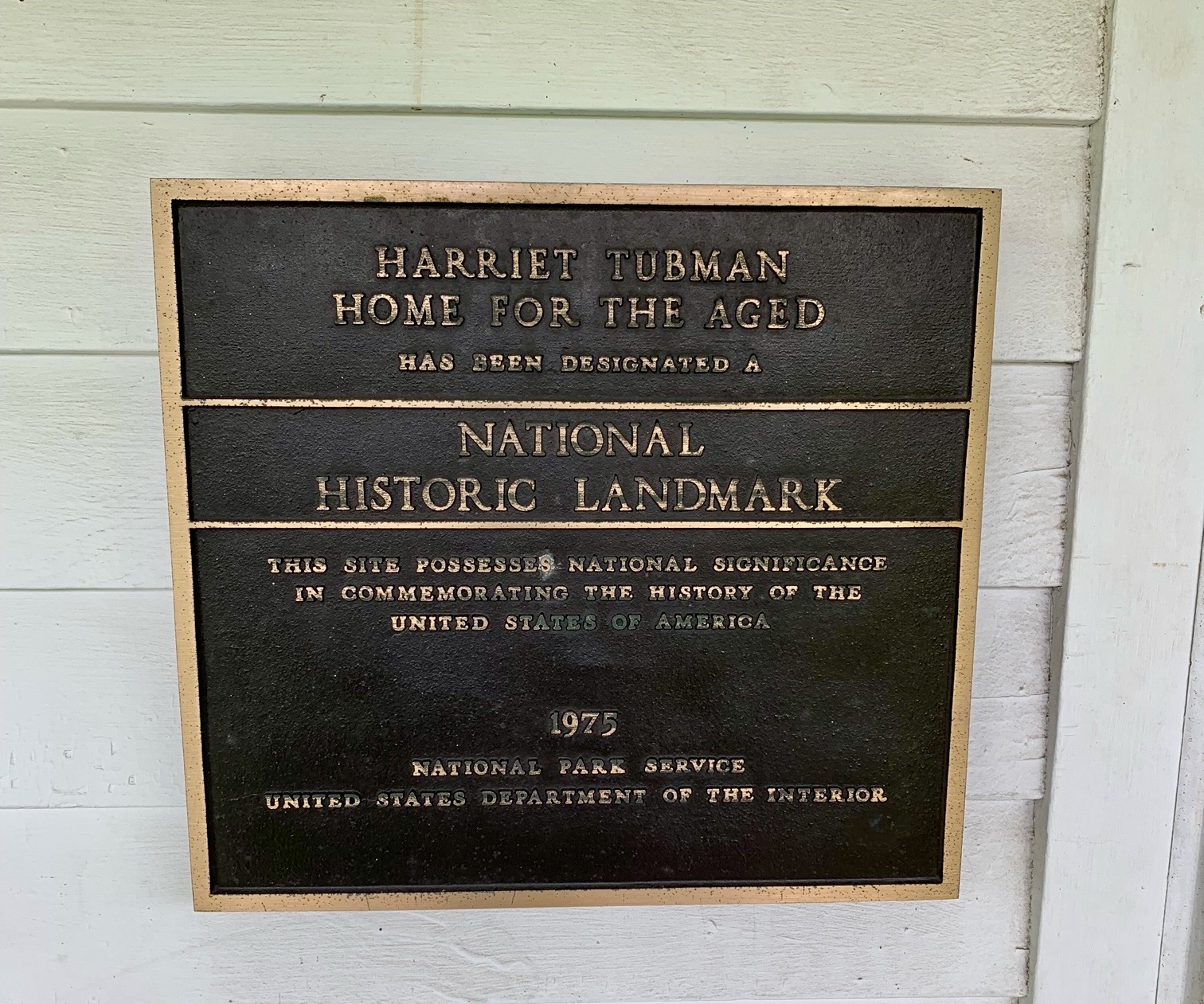
The final full day of the program included enriching cultural experiences for the students with a few historic Central New York stops. Traveling to Auburn, NY, the group had an opportunity to tour the Harriet Tubman House. While in Auburn, students also visited the Auburn Public Theater to hear from Angela Winfield, Vice President and Chief Diversity Officer of Law School Admission Council (LSAC). They also heard from Ferris Smith from LSAC, earlier in the day and learned of various resources available to them as law school applicants. After a long and full day of activities, the afternoon wrapped up with dinner at Salt City Market, a new Syracuse food hall representing our community with samples of diverse local foods to enjoy.
One of the students who participated in this program, Eric Jones, explained how invaluable this experience has been for him as a rising senior from Morehouse College.
“I never had a formal introduction to law school,” Jones said. “I’ve talked about it with a few lawyers but haven’t had any exposure to it otherwise. When I came across this opportunity, I thought – why not? The special incentive here was that there was no financial burden for us as a student. We could come and participate for no extra charge.”
This residency is a part of the College of Law’s partnership with the AUC schools, aiding young students in their path to determine how they can achieve their law degrees, the many paths to becoming a successful lawyer, and why the study of law is so important within our society.
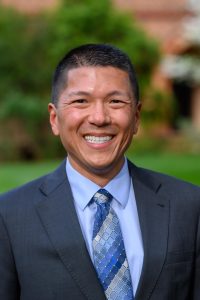
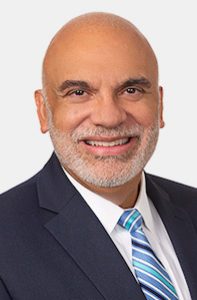
(Syracuse, NY | May 31, 2022) Syracuse University College of Law has added Dean of the College of Business at California State University, Chico, Terence Lau L’98 to its Board of Advisors, effective September 1, 2022. Lau has extensive experience as a lawyer and as a higher education leader, both domestically and internationally.
“Terence brings a unique, critical set of experiences to the College, as legal education continues to evolve at a rapid pace. His industry experience and his decades-long track record as a leader in higher education, particularly at the intersection of business and law, will certainly enrich our programs and practices,” says Dean Craig M. Boise. “By coming back to his alma mater as a member of our Board, Terence will help shape how we continue on our path to creating best-in-class 21st-century legal education.”
“On behalf of the Board of Advisors, I welcome Terence to our group and am looking forward to working with him on furthering educational excellence at the College,” says Board of Advisors Chair Robert M. Hallenbeck L’83. “His understanding of the challenges in higher education will greatly benefit the Board and College.”
“I am excited to give back to Syracuse Law, where I started my legal and academic career. The law school played an integral role in all facets of my professional life, and I believe what I’ve learned and experienced in academia will directly benefit the College,” says Lau. “Higher education continues to face myriad challenges that demand focus, creativity, and forward-looking solutions. I hope my involvement on the Board will help the College of Law meet those challenges.”
For the past four years, Lau has been Dean of the College of Business at California State University, Chico. Previously, Lau held several senior academic leadership positions at the University of Dayton School of Business Administration, including as Executive Director of Academic and Corporate Relations, at the University of Dayton China Institute; Associate Dean of Undergraduate Program; Department Chair, Department of Management and Marketing; Director, International Business Program; and Professor of Business Law.
Lau was also a U.S. Supreme Court Fellow, assigned to the Office of the Administrative Assistant to the Chief Justice, which aids the Chief Justice in his administrative, policy, and ceremonial responsibilities, among other tasks. Prior to his Fellowship, Lau was an attorney in Ford Motor Company’s International Practice Group and served as director of Ford’s Association of Southeast Asian Nations (ASEAN) Governmental Affairs.
Lau is the long-time editor of the American Business Law Journal and has written extensively on international business law topics in several law journals.
Lau received a Bachelor of Arts degree in political science from Wright State University in 1995 and his J.D. from Syracuse University College of Law in 1998.
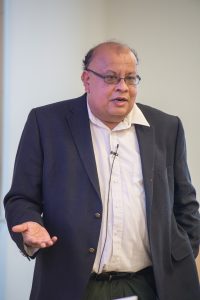
Crandall Melvin Professor of Law Shubha Ghosh recently spoke at the Conference on Innovation and Communication Law, held May 19 and 20 at the Danube University, Krems, Austria.
Ghosh spoke on “Crisis, Invention, and Innovation” in relation to COVID and other crises.
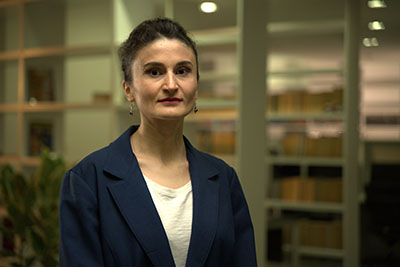
Nana Gochiashvili LL.M. ’22, Disability Law Fellow from the country of Georgia, was recently awarded a one-year fellowship at Jindal Global University, located in Delhi, India. Gochiashvili will serve as an Assistant Professor and Assistant Dean of International Internships at the Jindal Global Law School (JGLS) of O.P. Jindal Global University. This is a competitive position and prestigious fellowship, with an application process open to interested candidates from all over the world.
Beginning in July of 2022, Gochiashvili will begin her fellowship by teaching, conducting research, and overseeing and monitoring the planning, development, and implementation of new courses in disability law. She will also conduct independent research, participate in workshops, and present public lectures. Content for her courses will be based on content from disability law classes taught by Professor Arlene Kanter, Faculty Director of International Programs, which Gochiashvili participated in during her 2021-22 LLM year.
Continuing her work in disability law, Gochiashvili will join Kanter on June 14-16 as one of five students to attend the Conference of States Parties Meeting on the Convention on the Rights of People with Disabilities at the United Nations.
Celestine Chaney, 65, Roberta A. Drury, 32, Andre Mackneil, 53, Katherine Massey, 72, Margus D. Morrison, 52, Heyward Patterson 67, Aaron Salter Jr., 55, Geraldine Talley, 62, Ruth Whitfield, 86, Pearl Young, 77
A week ago on Saturday, the unfathomable once again became the reality in America when racist violence struck in Buffalo, killing 10 and injuring three of our fellow human beings. All of the victims of the 18-year-old white murderer’s rampage were Black, and two of the injured were white. The anguish and anger caused by the killer’s terrorist acts is not only the senseless loss of such beautiful lives, ranging from ages 32 to 86, but also the sheer mendacity of killer’s planning and the mundaneness of victims’ activities when they were killed.
Racial hatred has become much too common. And it would be wrong to think that this latest mass assault on Black lives began on that awful Saturday; Buffalo is only the most recent episode. As must be clear by now, racism permeates all areas of U.S. society, constantly rupturing lives, families and communities. During slavery and after the Civil War, racist terror reigned against people of African descent with brutality and policies that entrenched their second-class status in the U.S.
“José lived his life with purpose, and he engaged in his profession with genuine intentionality to serve and advance the interests of justice for all people especially those whose voices were not heard within our legal systems. His legacy is one that should be emulated by everyone, and it will continue to serve as an example for students to whom he dedicated so much of life, passion, and energy,” Suzette Meléndez, Associate Dean for Equity and Inclusion
Bahamonde-González L’92 was the recipient of the 2020 College of Law Latin American Law Students Association Legacy Award.