As part of his ongoing scholarship, Professor A. Joseph Warburton examines investment products that are popular with the public. Warburton’s most recent research into two investment products finds that both contain risks that are not transparent to investors and come mainly in the form of embedded financial leverage or borrowed money that these investment products take on, putting investors’ money at risk.
In his Business Lawyer feature below, Warburton analyzes business development companies (BDCs), a type of investment company popular today among retail investors and retirees because of the high dividends BDCs pay. But because of leverage, BDCs incur more risk than the market benchmarks and significantly underperform once you account for that extra risk.
An earlier article in the Journal of Empirical Legal Studies co-written with Michael Simkovic of the University of Southern California, shines a light on a surprising degree of borrowing activity by the everyday mutual funds
Business Development Companies: Venture Capital for Retail Investors | 76 Business Lawyer 69 (January 2021)
A BDC is a type of investment company that finances small and growing American businesses. After raising capital in public markets, BDCs then fund companies considered too small or risky by traditional lenders. Many BDCs are open to retail investors and offer an alternative to private venture capital firms that are often out of reach. Investors are attracted to BDCs because of their potential to pay out high income, but the rewards come with risks.
BDCs are favored by Congress, which excused these types of companies from key provisions of the regulations that govern other investment companies. BDCs are allowed, for example, to incur greater leverage through borrowed money. The more capital BDCs can obtain from investors, according to Congress, the more BDCs can finance small and growing enterprises, thereby promoting job creation and economic growth. BDCs have largely stepped into a role that banks have vacated, becoming an important component of the financial system for small and midsize businesses. While Congress has championed BDCs as a way for small and midsize businesses to obtain financing and grow, it has not analyzed hard evidence on how BDCs perform for the investing public, as this article does.
This article is the first academic study to examine the BDC comprehensively. Why has the literature overlooked BDCs? One reason is the complexity of the regulatory framework. Another reason is the lack of available data. Warburton’s research and findings address both obstacles.
Through his research, Warburton explores the history of BDCs and their purpose. He dissects the laws that govern BDCs – which are neither exempt from the Investment Company Act of 1940 nor fully regulated by it. In order to fulfill their mission of assisting emerging enterprises, BDCs are highly restricted in their investments and activities. The Investment Company Act requires that BDCs finance primarily private or small public companies, which restricts their assets to illiquid or thinly traded securities. To promote the growth of BDCs (and the growth of companies in which they invest), key provisions of the Act are applied to BDCs in a relaxed manner. The rules permit BDCs to engage more freely in leverage and related-party transactions than other investment companies.
Next, Warburton’s research shows an empirical analysis of BDCs using a unique dataset built from hand-collected information from BDC filings. The figure below displays the number of BDCs in existence, by year, for all BDCs and publicly traded BDCs, revealing that BDC formation has come in two major waves: 2004–06 and 2011–15.
Number of BDCs
Today, there are more than 50 BDCs that are exchange-traded and available to retail investors. In addition, dozens of BDCs are public but not exchange-traded, and others that are private.
Looking at the performance of publicly traded BDCs over a 21-year period, the research shows that BDCs live up to their reputation for high income, with the typical BDC yielding about 10%. Moreover, the total returns (stock returns plus dividends) of BDCs appear to match or beat the benchmark indices (high-yield bonds and leveraged loans). However, BDCs incur substantially greater risk than the benchmarks. BDCs are permitted to be highly leveraged, nearly all BDCs employ leverage, and their performance is highly volatile. On a risk-adjusted basis, the typical BDC significantly underperforms the benchmarks, trailing by four to six percentage points per year.
During the March 2020 market crash at the outbreak of the COVID-19 pandemic, shares of publicly traded BDCs declined by over three times as much as the benchmarks, on average.
BDC Performance
The figure to the right shows the performance of $10,000 invested in an index of publicly traded BDCs during 2020, compared to the two market benchmarks (high-yield bonds and leveraged loans). The $10,000 investment in BDCs was worth $9,115 at the end of 2020, versus $10,711 if invested in high-yield bonds and $10,312 if invested in leveraged loans. BDCs were also more volatile over the year than the benchmarks, which themselves are among the riskiest parts of the fixed-income market.
Warburton advises retail investors and their financial advisors to consider the findings of this research before investing in publicly traded BDCs. Before adding a BDC to your portfolio, be sure to consider its track record and avoid BDCs with a history of negative risk-adjusted performance.
Mutual Fund Borrowing Poses Risk to Investors
Reprinted from the Harvard Law School Forum on Corporate Governance and Financial Regulation | A. Joseph Warburton and Michael Simkovic (University of Southern California), January 3, 2020
Millions of Americans rely on mutual fund investments to pay for their retirement, but mutual funds contain hidden, previously under-appreciated risks.
Warburton and Simkovic’s new study published in the Journal of Empirical Legal Studies, “Mutual Fund Borrowing Poses Risks to Investors”, provides evidence that mutual funds borrow in an attempt to improve their performance. Those attempts not only fail to boost average returns, they also increase the volatility of returns, potentially creating serious problems for those who need to withdraw their money at a time when the market is down.
The Investment Company Act of 1940 permits mutual funds to have a capital structure that is up to one-third debt. Warburton and Simkovic’s paper is the first to study the performance of open-end funds that exploit their statutory borrowing authority.
Through their research, the team constructed a database using information contained in annual filings of open-end domestic equity funds covering 17 years from 2000 to 2016. They discovered that a surprising number of funds—18 percent— bulked up at some point by borrowing money for leverage. These borrowing funds underperform their non-borrowing peers by 62 basis points per year on a total return basis, while also incurring greater risk. After accounting for risk, borrowers underperform by 48 to 72 basis points annually. The research explains that funds often borrow in an unsuccessful effort to juice performance after having lagged in the mutual fund rankings.
Mutual funds that borrow are plain-vanilla mutual funds, not exotic investment vehicles often associated with leverage, such as alternative funds and levered index funds. By contrast, Warburton and Simkovic found that funds that use derivatives and other financial instruments perform about as well as unleveraged mutual funds, before and after adjusting for risk, and with less volatility. This suggests that many mutual funds use derivatives to hedge risk rather than as a substitute for leverage through the capital structure.
Concerned about leverage, regulators have recently been examining funds’ use of derivatives, but that focus may be too narrow as borrowing also presents a risk to investors. The SEC has recently proposed new rules on the use and reporting of derivatives by registered investment companies. According to their research, Warburton and Simkovic suggest that regulators would benefit from collecting further data on mutual fund borrowing, to provide greater transparency into mutual fund capital structure.
Conclusion
Professor Warburton advises individuals to investigate leverage before putting money into any investment product. Although this can require digging into the fund’s annual report, a phone call to the fund might be sufficient. The effort is worthwhile in the end. Funds that borrow money for leverage carry extra risk. He adds, “If you decide that you are ok with that extra risk, then be sure to consider the fund’s track record. Avoid funds with a history of negative risk-adjusted performance when using leverage.”
In August, 2022, Syracuse University College of Law will offer an intensive, 2-credit course in Crypto & Digital Assets. Professor Jack Graves will formally serve as the course instructor but will make liberal use of cameos by a wide range of experts from both the private and public sectors, including SEC Commissioner Hester Peirce. This broad range of perspectives and expertise should be uniquely valuable in providing students with an appropriate analytical framework for taking on a variety of challenging legal issues arising in real time in this rapidly evolving area of commercial law.
This essay by Professor Graves delivers an overview of the course content and a brief survey of the dynamic concepts and features of cryptocurrency and digital assets and their implications.
An Introduction to Bitcoin as the Prototypical and Still Dominant Cryptocurrency
It all began with Bitcoin,1 a “peer-to-peer” version of electronic cash that would operate on a fully decentralized platform, without any need for intermediaries. Instead of relying on trusted intermediaries, the platform itself would supply the requisite trust by distributing copies of the public blockchain ledger to every node (individual computer) on this decentralized network. In effect, the digital chain of blocks on the ledger would function as the currency. This distributed public ledger would be made immutable (and therefore trusted) using cryptographic hashing functions. This would make it effectively impossible to change previous entries to the ledger without a majority of the CPU power of the nodes on the network participating (practically impossible and presumably against the interests of any majority as holders of a sizeable financial stake in the network).2
The idea of “law and crypto” is arguably oxymoronic at its core, as the early individuals who conceptualized, deployed, and nurtured the Bitcoin blockchain had little, if any, regard for any potentially applicable legal or regulatory structure. In fact, they were in large part motivated by dreams of creating an entirely autonomous, decentralized financial system that was independent of, and fully beyond the reach of, any government. Today, however, the newly emerging ecosystem of cryptocurrencies and digital assets has expanded far beyond that described by Satoshi Nakamoto in his famous 2009 white paper. While the Bitcoin protocol has largely remained true to its roots, as originally conceptualized, many of its digital offspring have significantly diverged in both concept and purpose. Virtually all, however, retain the basic idea, at least in principle, of employing digital blockchain technology to provide broader and more efficient accessibility to key elements of the global financial system.
Depending on what week it is, the total market capitalization of cryptocurrency and related digital assets is likely somewhere between 1 and 2 trillion US dollars (and reached closer to 3 trillion during late 2021). Somewhat over half of this total is, at any given time, represented by the two most popular cryptocurrencies—Bitcoin (the original) and Ether (or ETH), the coin of the Ethereum network, which tends to be used in a broader range of decentralized finance (DeFi) platforms beyond simple cryptocurrency trading. Of these two, Bitcoin’s market capitalization is a little more than double that of ETH, though the importance of ETH to DeFi broadly is particularly significant. ETH is also important for its efforts to change the way its blockchain is secured, as more fully addressed later in this essay.
Perhaps it shouldn’t surprise us that Bitcoin and its progeny have developed in somewhat of a legal vacuum. After all, the original Bitcoin idea arguably had deep anti-government (or at least a lack of trust in government) libertarian roots, and its market capitalization was relatively insignificant until about five years ago, only really taking off in the past couple of years. As such, we are presented today with a unique opportunity to examine the development and application of a new and evolving field of law. What follows is a very brief (in the limited space available) survey of some of the major issues.
Crypto Coins
A Few Key Concepts and Definitions
We should first set out key concepts and definitions. The value of a Bitcoin is entirely a product of market forces. With no obvious objective value, it is determined solely by supply (which is growing but ultimately limited) and demand (in effect, whatever the market is willing to pay). When first introduced by Nakamoto, it was worth nothing in the absence of the first buyer. Since then, however, the value has risen generally and fluctuated significantly over time, with a high in excess of $65,000 per Bitcoin in late 2021 and a current price as of this writing of about $30,000. To date, Bitcoin has shown a tendency to fluctuate in value over time to an extent much greater than most traditional currencies.
“Altcoins” are cryptocurrencies with floating values other than Bitcoin. These include ETH and a few dozen other coins with significant market caps, as well as hundreds of less financially significant altcoins. In contrast to Bitcoin and Altcoins, “Stablecoins” are pegged to a specific currency (such as the US dollar). Stablecoins are not typically intended as investments themselves (as they should not vary in value) but are instead typically used to facilitate transactions in Bitcoin or Altcoins by removing price uncertainties from one side of the transaction. Perhaps the ultimate stablecoin is one issued by a national central bank.
Digital assets also include what are called non-fungible tokens, or “NFTs” (unlike “fungible” currencies, each NFT is unique). The potential use of NFTs to represent specific property interests is arguably limitless, but we’ll address a few examples a little later below. With these basic concepts in hand, we now turn to some of the legal issues presented.
Anonymity
From the outset, one of the key features of cryptocurrency has been the anonymity of its owner (much like physical cash). Such ownership is reflected in the public blockchain ledger by a public cryptographic key visible to anyone. However, a corresponding private key is necessary to access and transfer ownership of the cryptocurrency at issue. The visible public key itself provides no information linking it to the holder of the private key (as a practical matter, the owner). For example, the original Bitcoin mined by Nakamoto is identifiable in the earliest blocks of the Bitcoin chain. However, this public information provides no help in identifying the real Nakamoto, as these blocks remain untouched today (leaving many to wonder if Nakamoto is still alive, has lost the private key, or simply has chosen, at least to date, not to try to cash in on a rather sizeable fortune).
This feature made Bitcoin particularly attractive for illegal activity in which the anonymity of a sender or receiver of funds was crucial. Perhaps the most famous was the modern-day version of “Silk Road,” which operated on the dark net during the early Bitcoin years. Ransomware attacks also frequently demanded payment in Bitcoin based on its perceived lack of traceability.
Many anonymous users of crypto are ultimately identified when they attempt to transfer or exchange anonymous cryptocurrency for other assets where the owner is identifiable on the other side of the transaction (much as the holder of “dirty” cash may be identified when attempting to deposit it into a bank account). The U.S. Department of Treasury Financial Crimes Enforcement Network (FinCEN) has been active in recent years in seeking to apply Anti-Money Laundering (AML) and Know Your Customer (KYC) laws to cryptocurrency transactions, with at least some degree of success.
FinCEN’s effectiveness has been challenged in at least two ways—one jurisdictional and one practical. Many cryptocurrency exchanges operate outside of the U.S. or operate only smaller more limited subsidiaries within the U.S., specifically to avoid U.S. regulation. Moreover, cryptocurrencies do not necessarily require institutional exchanges, as individuals can engage in transactions on the blockchain directly with “hard” wallets, or hardware that directly accesses the public blockchain ledger (the original anonymous means envisioned by Nakamoto). Regulatory oversight of these sorts of transactions is far more difficult until and unless the cryptocurrency is exchanged for assets through some sort of institution subject to AML or KYC rules. While institutional exchanges unquestionably facilitate the work of FinCEN, they also raise a variety of additional issues.
Cryptocurrency Exchanges
While the original developers of Bitcoin had no need for institutional “exchanges,” most subsequent investors in Bitcoin were far more comfortable buying and selling coins through a trusted intermediary. Unfortunately, the first such major exchange, Mt. Gox, rather spectacularly failed in 2014, through some combination of theft, fraud, and/or mismanagement, highlighting at this very early stage the potential risks associated with third-party intermediaries in transferring and custodying digital assets.
In the U.S., these exchanges are potentially subject to the full range of securities laws, as broker-dealers of securities governed by the 1933 Securities Act and 1934 Exchange Act, as well as the 1940 Investment Company Act and Investment Advisors Act. However, cryptocurrency exchanges also raise additional issues. While a traditional securities trading institution is required to segregate client shares, thereby protecting them from claims by creditors of the institution, a cryptocurrency exchange does not do so. As a result, if an institutional exchange fails, its customers are essentially treated just like general creditors in bankruptcy. In effect, a typical cryptocurrency exchange is in some ways more like a bank than a stockbroker—but unlike a bank, the customer’s assets are not federally insured.
Today’s crypto investor can choose from a variety of exchanges, most of which have come a long way since the days of the Mt. Gox fiasco. Nevertheless, the means and methods for regulating cryptocurrency exchanges appear very much in their infancy and will undoubtedly evolve along with broader regulatory issues, including one of the most fundamental questions—is cryptocurrency a security?
Is Cryptocurrency a Security?
Ethereum coin (ETH)
As originally envisioned, Bitcoin was arguably intended as a form of electronic currency—first and foremost intended as a form of payment or medium of exchange. Over time, however, Bitcoin has gained little traction in this respect (outside of its use in illicit transactions), at least in part because of its continuing fluctuation in value. While a variety of altcoins are specifically linked to transactional uses in an associated digital ecosystem, most buyers and sellers of Bitcoin today are almost certainly engaged in investment activities with a reasonable expectation of profit, thereby likely satisfying at least two out of three elements of the traditional Howey test used to identify a security. The more difficult question, at least as applied to Bitcoin and ETH (the cryptocurrency used on the Ethereum blockchain), is whether they meet the third element—in effect, whether such reasonably expected profits will arise “solely from the efforts of the promoter or a third party.”
To understand this issue better, we need to consider the nature of a “decentralized” blockchain. Rather than sitting on a centralized server, the public blockchain ledger sits on thousands of individual computer nodes within a broad network. Everyone is responsible for it, but no one owns it. So, who is responsible for generating expected investment profits on a truly decentralized blockchain?
Everyone? No one? And how should we apply the third element of Howey in this context? This is but one of the challenging questions presented in determining whether, how, or when to treat cryptocurrencies as securities—a subject on which there is a broad range of views within the SEC itself.
While Bitcoin and ETH arguably continue to adhere to the original decentralized model, many altcoins and other digital assets do not. Instead, they involve some sort of initial or ongoing promoter, whose efforts at least arguably drive any expected investment profits. In one of the earliest published opinions on the issue, the SEC found “The DAO,” an unincorporated organization, to have offered a security when selling DAO Tokens to its investors. Put simply, a generic “decentralized autonomous organization,” or DAO, is an organizational entity that functions entirely on a blockchain.4 This specific DAO (“The DAO”) was organized by a German corporation to run on the Ethereum blockchain, with investors spending ETH to purchase DAO Tokens. In this specific context, the SEC published a detailed report in which it had little difficulty finding DAO tokens to be securities based on reliance by investors on the efforts of the promoter and third parties to meet their profit expectations, thereby satisfying all three elements of the Howey test.5
Should any cryptocurrency that is not fully decentralized be deemed a security? Should a cryptocurrency be deemed a security even if it is fully decentralized? These are questions without clear and consistent answers from the SEC today (though we certainly have some thoughts from various Commissioners). Moreover, the idea of decentralization, in its purest sense, raises some additional interesting questions.
Other Issues with Decentralization
The above-discussed SEC DAO report addressed an event that is better known by many as the “DAO hack.” Once The DAO had been fully funded (with ETH valued at about $10 million), an unknown “attacker” managed to divert $3.6 million worth of this ETH to a blockchain address controlled by the attacker. Because of the way The DAO was structured, however, these funds could not be moved on from this new address for 27 days. In deciding what to do about this “hack,” the Ethereum blockchain faced a fundamental question. One of the most basic concepts underlying Bitcoin and its progeny was the idea that transactions on the blockchain were to be immutable and non-reversible. In effect, the code was to be law. Should the decentralized Ethereum blockchain violate this basic principle and essentially wipe clean the blocks containing the attack, thereby returning the blockchain to its pre-attack state? Ultimately, the majority of nodes on the network (remember, with decentralization, the majority at any given time rules absolutely) decided to wipe out all the blocks funding the DAO, thereby eliminating the effect of the attack and returning the ETH spent to the investors. However, the issue was sufficiently contentious to result in what is called a “hard fork,” effectively splitting the previously single chain into two independent forks— today called Ethereum or ETH (the majority) and Ethereum Classic or ETC (a minority adhering to basic principles and keeping the immutable original chain intact).
While the Ethereum hard fork is now ancient history in crypto terms, the issue is very much alive today in an arguably even more extreme form. When dealing with a blockchain, should the chain in fact be “irreversible,” as initially recognized by a majority of nodes on the decentralized network? If not, who, if anyone, should have the right to reverse a transaction, thereby arguably depriving someone with rights reflected in the blockchain, without due process? The decentralized Juno blockchain community recently voted to deprive a very large user of tokens (worth millions of dollars) that the community believed the user should not have received but had been conveyed to the user based on the blockchain code, as written. Should code be law as to the blockchain record? If not, should a majority be allowed to rewrite the record without due process? And if a community member is deprived of property, who is legally liable?
In theory, a decentralized autonomous organization (a DAO, here used generically) is an unincorporated organization. To the extent the purpose of the DAO is in some fashion to make and share profits, this likely means the DAO is a general partnership under most U.S. state law—a result with which most DAO members would likely be quite unhappy upon realizing the extent of their individual liability. In fact, most DAO members likely assume their unincorporated autonomous organization operates beyond state laws governing entity formation. Again, the law is just beginning to grapple with the issue. Vermont and Wyoming have each enacted legislation allowing a DAO to register as an LLC, which could help address a variety of the existing challenges. However, many DAO’s remain unregistered, and most states have yet to address the issue.
Is Cryptocurrency a Commodity— In Effect, Digital Gold?
Many within the trade have argued that cryptocurrency should be regulated as a commodity, rather than a security, analogizing it to “digital gold.” In fact, the analogies to gold, as a stable store of value and hedge against the inflation-driven devaluation of fiat currencies can be traced to Bitcoin’s earliest days. While attractive on its face, the approach is not without challenges.
The Commodities Futures Trading Commission (CFTC) regulates the sale of commodity futures (derivatives of the commodities themselves), rather than current sales of commodities. As such, the CFTC would provide little, if any, regulatory oversight with respect to current sales of cryptocurrency. Of course, this may be part of the attraction for the crypto trade, as market regulation would be far more limited under the CFTC than the SEC. However, there are also practical conceptual challenges in analogizing cryptocurrency to digital gold.
To date, the values of Bitcoin, specifically, and cryptocurrencies, generally, have behaved very little like gold or silver, often thought of as stable stores of value. Whatever one may think of the value of a cryptocurrency—and these views range from worthless to almost infinite—market values have demonstrated extraordinary fluctuation and have tended, generally, to track the most speculative of traditional equity investments, thereby lending little if any stability to the broader financial market. The “digital gold” concept also raises additional issues related to its mining.
Mining as the Basis for Crypto Security and Its Environmental Achilles Heel
Cryptomining
While Bitcoin remains the most significant cryptocurrency, by far, it arguably has a serious problem with its basic security mechanism—mining. New blocks are added to the blockchain containing new transactions (about 1 block every 10 minutes on the Bitcoin blockchain) when a digital miner solves a very difficult iterative math problem (it gets harder as miners’ computers get faster). Once solved, published, and accepted by a majority of the network, the blockchain record is essentially immutable, and the miner is rewarded with Bitcoins (the basic model is very much driven by libertarian financial incentives). However, because the financial incentives motivate the use of more and faster computer power in the quest for new coins, and the iterative math problem gets harder as the computers trying to solve it get faster, the Bitcoin carbon footprint is enormous and will keep growing indefinitely.
China has banned cryptocurrency, at least in part due to the mining issue, and many other countries have expressed concerns over its growing environmental impact. As a result, numerous new altcoins have moved from using “proof of work,” or PoW (the original Bitcoin mining concept) to “proof of stake,” or PoS (an alternative means of securing the content of the blockchain that uses far less energy). While Bitcoin and the Ethereum chain still rely on PoW, the Ethereum chain is attempting to move to PoS, but the success of this move remains unclear at this time. There is no indication to date of any intent to modify the Bitcoin blockchain to move it away from the original PoW model.
Stablecoins That Are Not
So far, we’ve largely focused on Bitcoin and altcoins that also fluctuate in value (arguably making them better potential candidates for investment than for payment mechanisms). Stablecoins are fundamentally different in that they are primarily intended as a means of exchange to facilitate payment. For this purpose, fluctuations in value are generally detrimental, so stablecoins are “pegged” to a fiat, or government-issued, currency, such as the US dollar. Of course, a stablecoin could be issued directly by a national government.
While China has banned private cryptocurrencies, it was one of the first countries to institute a national digital currency (a Central Bank Digital Currency, or CBDC) with the adoption of the “digital yuan.” The U.S. government has also suggested, in various statements and official publications, the potential for a government-issued CBDC. Potential options for use of a U.S.- issued CBDC might include large wholesale (e.g., central bank) transactions, retail (e.g., business-to-consumer) transactions, or both. In any event, a government-issued CBDC would be supported in much the same manner as any other government-issued fiat currency.
Privately issued stablecoins present additional opportunities and additional potential risks. In the absence of any current U.S.-issued CBDC, multiple private stablecoins have been issued and pegged to the US dollar. In theory, each of these is supported by sufficient assets (often including some combination of crypto and government currencies) to maintain the value of the currency at $1 U.S. per coin. While a handful of coins have emerged with sufficient market capitalization to be useful in fulfilling the role of a stable medium of exchanging more volatile digital assets, regulators have expressed concerns over the stability of the coins in the event of significant market stress. Indeed, we recently witnessed the spectacular crash of one of these preeminent stablecoins, the TerraUSD.
The stress of broader financial market downturns in May 2022 caused the TerraUSD to lose its peg (fall below $1 U.S.), which quickly led to a digital version of an old-fashioned bank run in the days before federal deposit insurance. Once started, confidence fell into an ever-accelerating death spiral until the TerraUSD stablecoin and its associated Luna altcoin (intended, at least in part, to provide support for the stablecoin) were essentially worthless.
Stablecoins undoubtedly fulfill a key transactional role as a digital means of payment or exchange, and there may be roles for both public and privately issued coins. However, the TerraUSD collapse provides an obvious example of the need for some sort of regulation in this area if stablecoins are to fulfill their intended transactional roles.
Non-fungible tokens are fundamentally different from coins, which are essentially fungible. One Bitcoin or ETH is functionally equivalent to another. In contrast, each NFT is, at least in theory, unique. An obvious example is digital art, where a single specific NFT controls ownership of a single specific piece of digital art. This raises some obvious legal questions as to the law governing such personal property. Should the law treat digital art like tangible physical works of art, or should we solely apply intellectual property rules? And what about digital real estate in virtual realities beyond the physical one?
Yuga Labs, the entity behind the Bored Ape Yacht Club NFT, recently engaged in a sizeable sale of “Otherside” (a virtual space in the Metaverse) property, offering virtual deeds in Otherside in exchange for Ape Coins (an altcoin minted by Yuga Labs).7 While these transactions focused on the virtual metaverse, the value of digital assets exchanged was in the hundreds of millions of dollars. Are deeds to virtual land in Otherside governed solely by code on the relevant blockchain, or does traditional real property law have a role to play in the metaverse? Or do we need to take entirely new and different approaches to apply law to the virtual world?
Bored Ape NFT
Responsible Development of Digital Assets
As the reader will likely note, it is challenging to capture even a brief overview of “the Law and Crypto” in a short piece like this, and there is an increasingly urgent need to begin to address the issues raised
in this survey, and many more. Earlier this year, President Biden issued an Executive Order on Ensuring Responsible Development of Digital Assets,8 essentially encouraging regulators and market participants to work together in a manner both encourages innovation and protects consumers. Achieving both will be no small order, but acknowledging the need is undoubtedly a significant step in the right direction.
SEC Chair Gary Gensler has characterized the current transactional environment involving digital assets as akin to “the Wild West,” which is likely true to a large extent. Others have suggested that perhaps this Wild West environment is helpful in promoting innovation. At the end of the day, however, even the Wild West was largely tamed over time, and the shape of the process of understanding and regulating digital assets while simultaneously promoting responsible innovation will undoubtedly be an interesting one for those of us in its midst. ■
1. While Bitcoin itself borrowed from a variety of earlier ideas, the first version of what we now think of as cryptocurrency initially appeared in a white paper published in 2009 by Satoshi Nakamoto (a pseudonym—the real author or authors remain anonymous). See Bitcoin: A Peer-to-Peer Electronic Cash System, at https://bitcoin.org/ bitcoin.pdf.
2. A detailed explanation of the blockchain technology upon which Bitcoin and other cryptocurrencies are built is beyond the scope of this article. However, an excellent video explanation can be found here: https://www.youtube.com/watch?v=bBC-nXj3Ng4&t=2s.
3 SEC v. W.J. Howey Co., 328 US 293 (1946).
4 The use of various DAOs, generally, is quite common, for example, in association with the Ethereum blockchain.
5 For a fuller explanation, see Securities and Exchange Commission, Securities Exchange Act of 1934, Release No. 81207 / July 2017, Report of Investigation Pursuant to Section 21(a) of the Securities Exchange Act of 1934: The DAO. Available at: https://www.sec.gov/litigation/investreport/34-81207.pdf.
6 The blockchain code had functioned as written but had been flawed, and this flaw was exploited by the attacker.
7 See https://cryptobriefing.com/yuga-labs-otherside-nft-sales-break-310m/.
8 See https://www.whitehouse.gov/briefing-room/presidential-actions/2022/03/09/executive-order-on-ensuring-responsible-development-of-digital-assets/
Vice Dean Keith Bybee, Paul E. and Hon. Joanne F. Alper ’72 Judiciary Studies Professor, recently discussed the leak of the draft Roe decision with the Law Student Podcast.
Bybee and Law Student Podcast host 2L Meg Steenburgh examines the interplay of courts, politics, and the media, and discusses our nation’s legal processes throughout history.
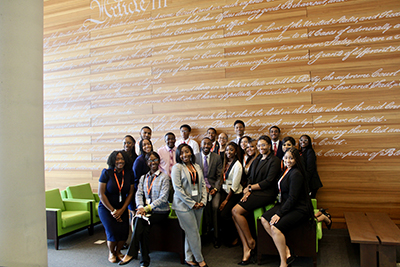
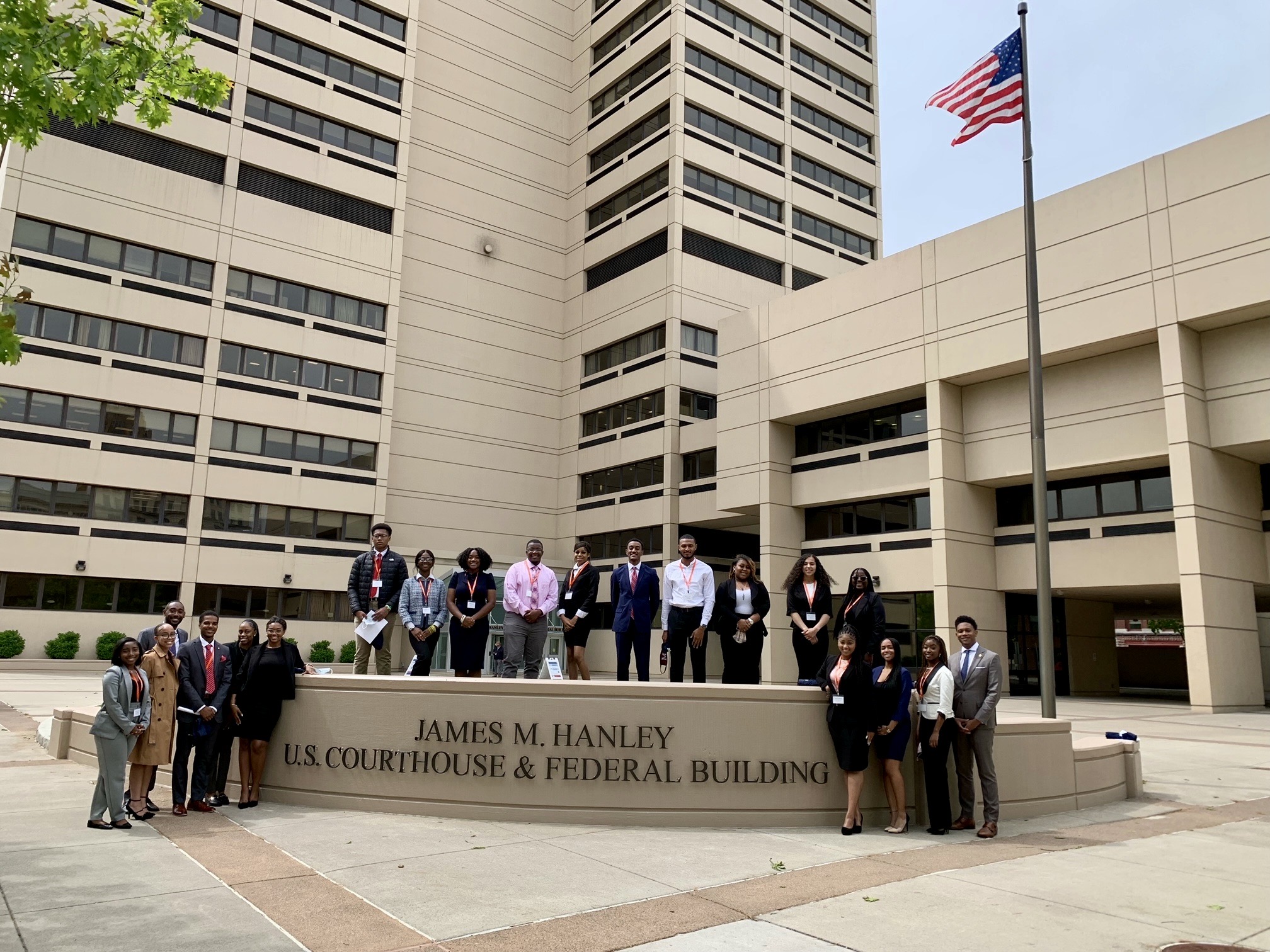
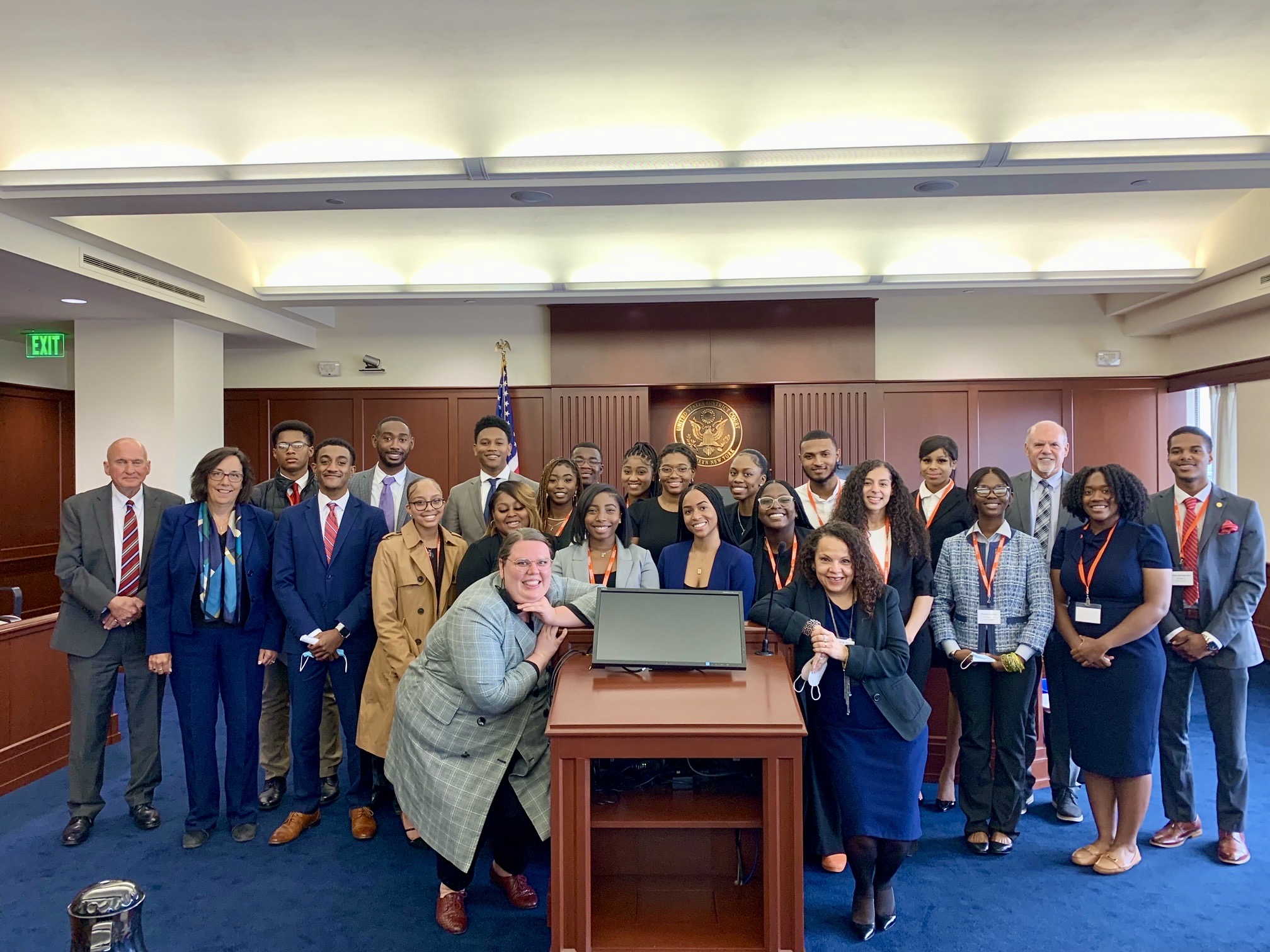
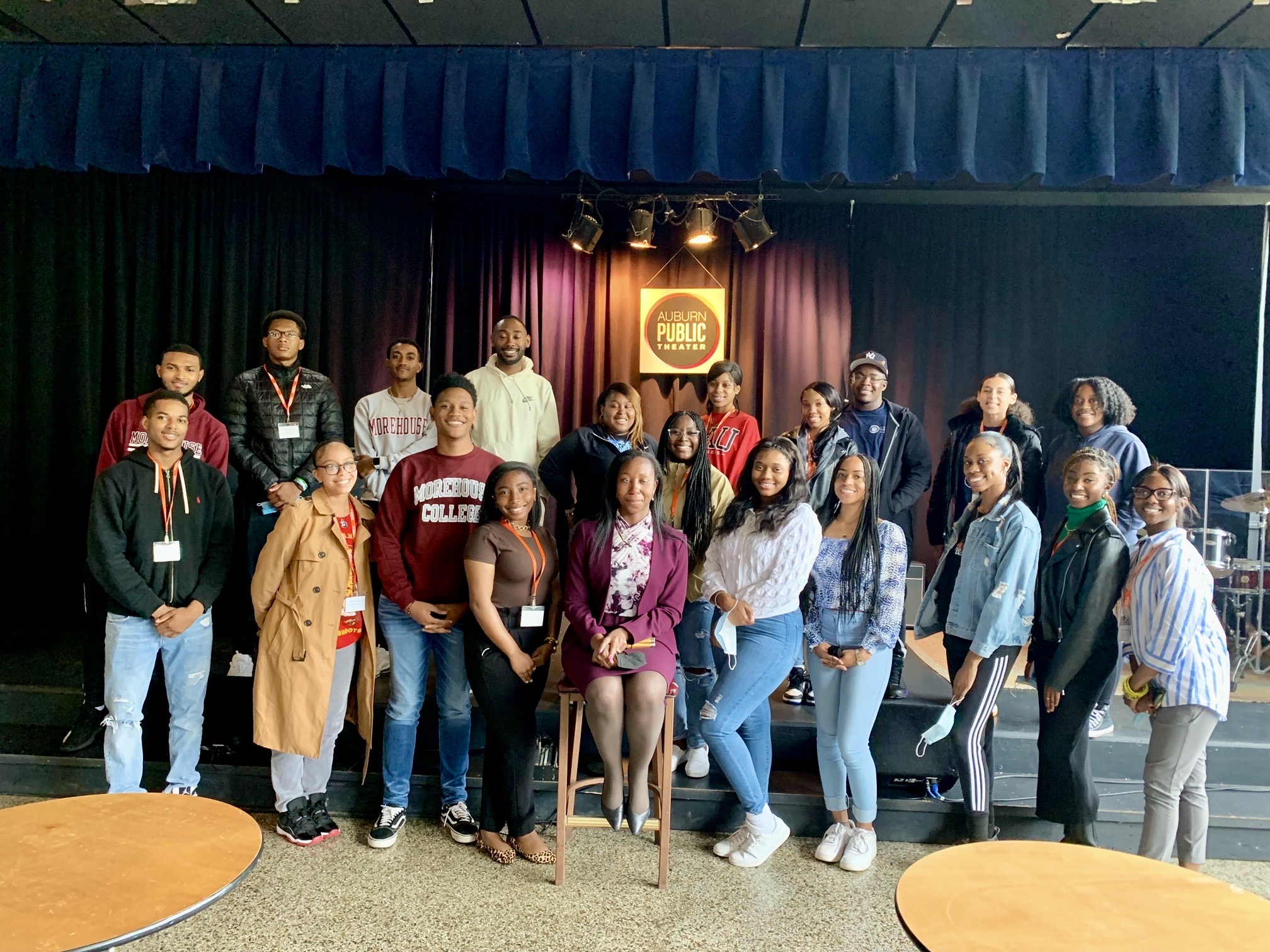
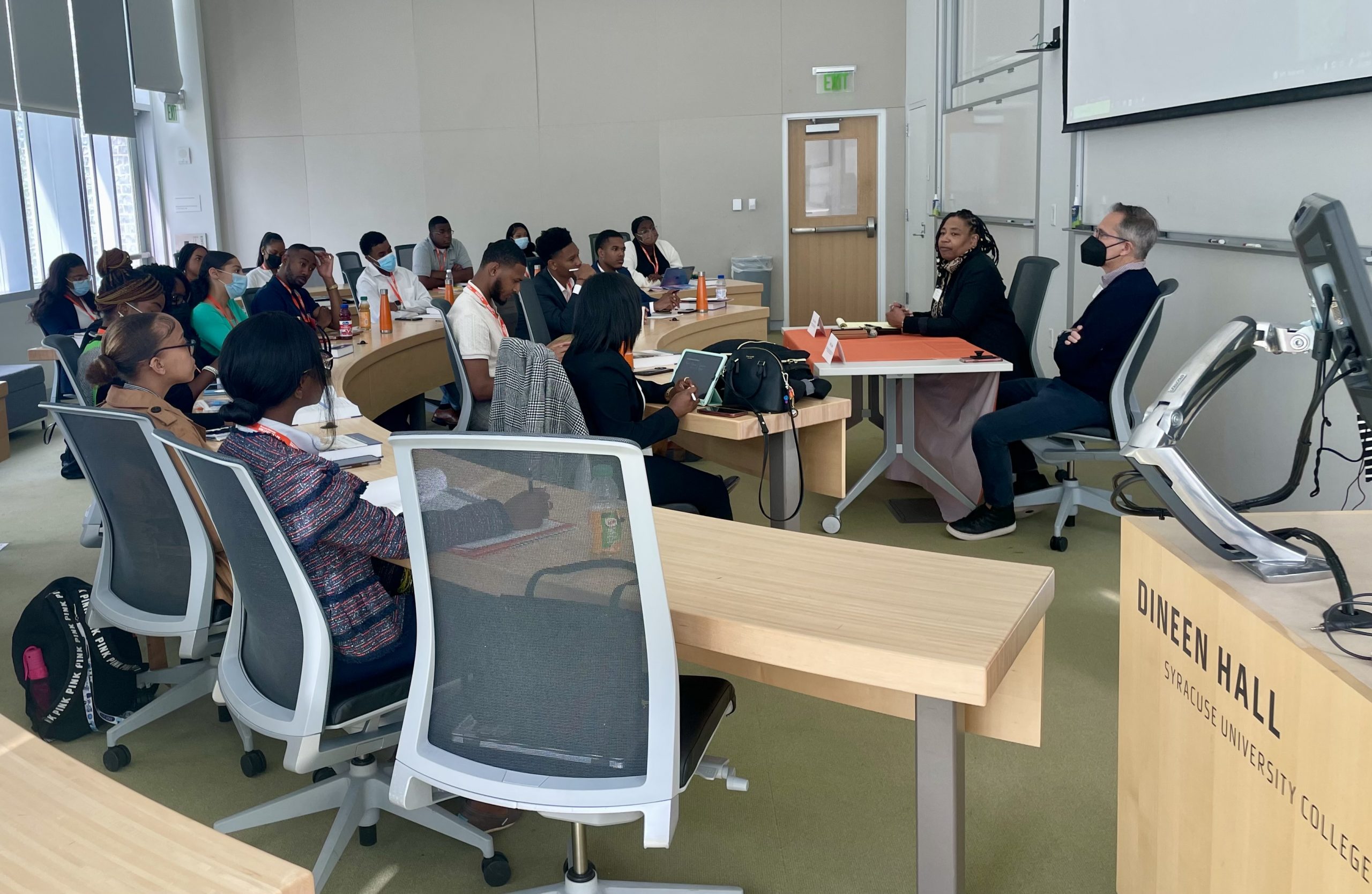
The College of Law held its Inaugural Consortium Summer Residency Program on May 16-20, 2022. Twenty-one undergraduate students from the Atlanta University Center (AUC) HBCUs, representing Clark Atlanta University, Morehouse College, and Spelman College, came to Syracuse ready to learn through a week full of academic, preparatory, social, and cultural events.
Thanks to a grant from AccessLex, these students, interested in pursuing a law degree, were able to travel to Syracuse to learn about the legal profession and how to prepare for law school. Students arrived at the College of Law ready for the slate of events planned for the week, enjoying a tour of Dineen Hall and their first class session prior to a welcome dinner with an address from Dean Craig Boise, and words of wisdom from several distinguished alumni in attendance.
As the week went on, each day began with classroom lectures and panel discussions in Dineen Hall. Topics included a variety of subjects, encompassing:
Diversity, Equity, Inclusion, and Accessibility Developments
Constitutional Law
The Study of Law and the American Legal System
Admissions Processes, LSAT Information, and Various Resources
Outside of the classroom, students traveled to the Northern District of New York James M. Hanley Federal Courthouse where they heard from and engaged with Hon. Andrew Baxter (United States Magistrate Judge, Northern District of New York), Hon. David Peebles L’75 (Recalled United States Magistrate Judge, Northern District of New York), Hon. Glenn Suddaby L’85 (District Judge, Northern District of New York), and Hon. Thérèse Wiley Dancks L’91 (United States Magistrate Judge, Northern District of New York) and Law Clerk Michael Langan.
This was followed by a visit to the law office of Bond, Schoeneck and King (BSK) to hear a panel of perspectives from the Judiciary along with a networking reception attended by several alumni and attorneys from the Syracuse area. Panelists at the BSK event included Hon. Vanessa Bogan (Judge, Syracuse City Court), Dancks L’91, Hon. Deborah Karalunas L’82 (Presiding Justice, Supreme Court, Commercial Division, Onondaga County), Hon. Ramon E. Rivera L ’94 (Judge, New York State Court of Claims), and Judge Derrek Thomas (Judge, Fifth Judicial District of New York).
“There was robust engagement, in-depth learning, and connections made among our faculty, staff, alumni, members of our federal and state judiciary, and our local legal professionals from various public and private law firm offices,” Melendez said. “The students exceeded already high expectations with their inquiries and the manner in which they engaged. They demonstrated a great deal of interest and their poised maturity exceeded their years.”
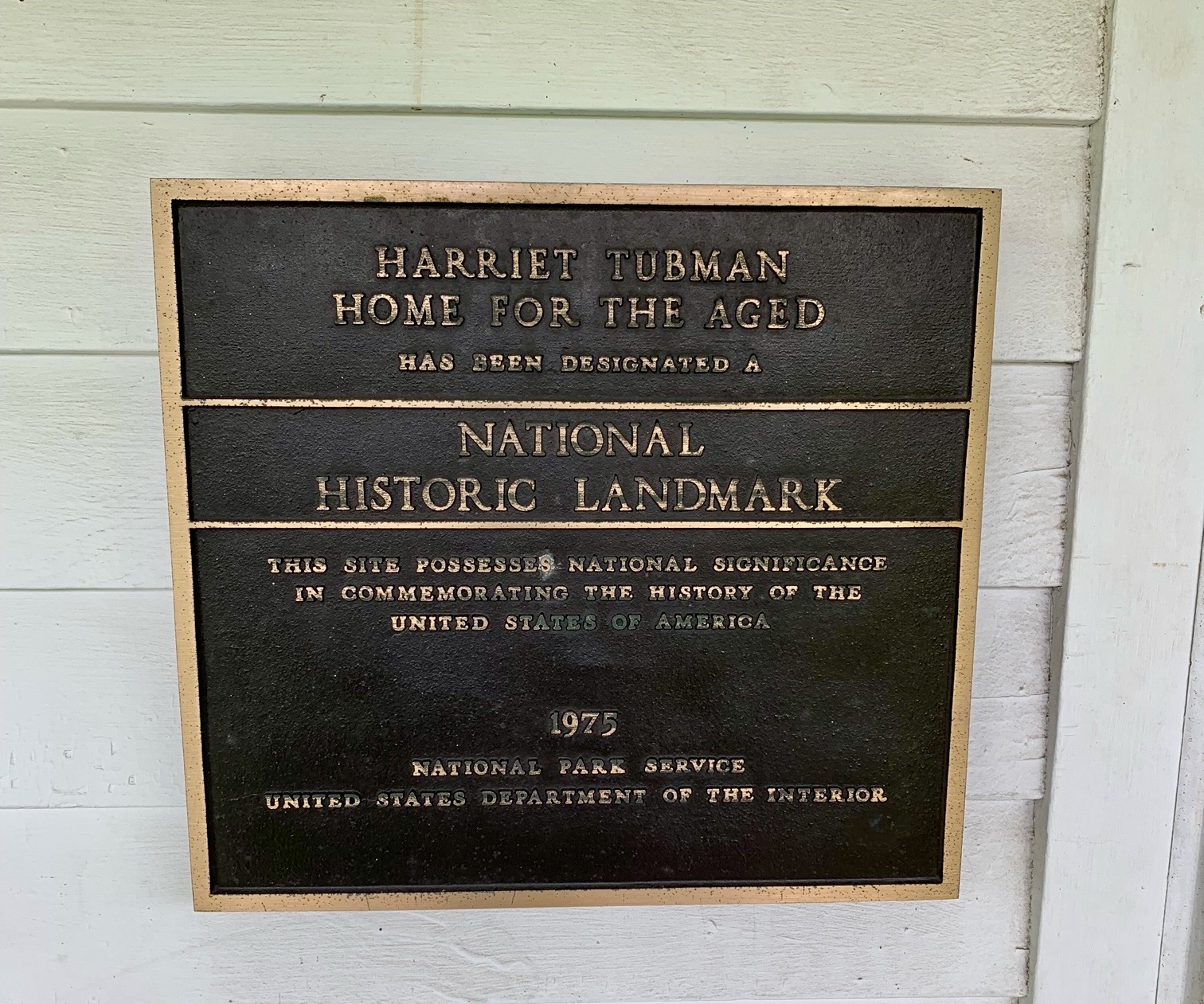
The final full day of the program included enriching cultural experiences for the students with a few historic Central New York stops. Traveling to Auburn, NY, the group had an opportunity to tour the Harriet Tubman House. While in Auburn, students also visited the Auburn Public Theater to hear from Angela Winfield, Vice President and Chief Diversity Officer of Law School Admission Council (LSAC). They also heard from Ferris Smith from LSAC, earlier in the day and learned of various resources available to them as law school applicants. After a long and full day of activities, the afternoon wrapped up with dinner at Salt City Market, a new Syracuse food hall representing our community with samples of diverse local foods to enjoy.
One of the students who participated in this program, Eric Jones, explained how invaluable this experience has been for him as a rising senior from Morehouse College.
“I never had a formal introduction to law school,” Jones said. “I’ve talked about it with a few lawyers but haven’t had any exposure to it otherwise. When I came across this opportunity, I thought – why not? The special incentive here was that there was no financial burden for us as a student. We could come and participate for no extra charge.”
This residency is a part of the College of Law’s partnership with the AUC schools, aiding young students in their path to determine how they can achieve their law degrees, the many paths to becoming a successful lawyer, and why the study of law is so important within our society.
(Syracuse, NY | May 31, 2022) Syracuse University College of Law has added Dean of the College of Business at California State University, Chico, Terence Lau L’98 to its Board of Advisors, effective September 1, 2022. Lau has extensive experience as a lawyer and as a higher education leader, both domestically and internationally.
“Terence brings a unique, critical set of experiences to the College, as legal education continues to evolve at a rapid pace. His industry experience and his decades-long track record as a leader in higher education, particularly at the intersection of business and law, will certainly enrich our programs and practices,” says Dean Craig M. Boise. “By coming back to his alma mater as a member of our Board, Terence will help shape how we continue on our path to creating best-in-class 21st-century legal education.”
“On behalf of the Board of Advisors, I welcome Terence to our group and am looking forward to working with him on furthering educational excellence at the College,” says Board of Advisors Chair Robert M. Hallenbeck L’83. “His understanding of the challenges in higher education will greatly benefit the Board and College.”
“I am excited to give back to Syracuse Law, where I started my legal and academic career. The law school played an integral role in all facets of my professional life, and I believe what I’ve learned and experienced in academia will directly benefit the College,” says Lau. “Higher education continues to face myriad challenges that demand focus, creativity, and forward-looking solutions. I hope my involvement on the Board will help the College of Law meet those challenges.”
For the past four years, Lau has been Dean of the College of Business at California State University, Chico. Previously, Lau held several senior academic leadership positions at the University of Dayton School of Business Administration, including as Executive Director of Academic and Corporate Relations, at the University of Dayton China Institute; Associate Dean of Undergraduate Program; Department Chair, Department of Management and Marketing; Director, International Business Program; and Professor of Business Law.
Lau was also a U.S. Supreme Court Fellow, assigned to the Office of the Administrative Assistant to the Chief Justice, which aids the Chief Justice in his administrative, policy, and ceremonial responsibilities, among other tasks. Prior to his Fellowship, Lau was an attorney in Ford Motor Company’s International Practice Group and served as director of Ford’s Association of Southeast Asian Nations (ASEAN) Governmental Affairs.
Lau is the long-time editor of the American Business Law Journal and has written extensively on international business law topics in several law journals.
Lau received a Bachelor of Arts degree in political science from Wright State University in 1995 and his J.D. from Syracuse University College of Law in 1998.
Crandall Melvin Professor of Law Shubha Ghosh recently spoke at the Conference on Innovation and Communication Law, held May 19 and 20 at the Danube University, Krems, Austria.
Ghosh spoke on “Crisis, Invention, and Innovation” in relation to COVID and other crises.
Nana Gochiashvili LL.M. ’22, Disability Law Fellow from the country of Georgia, was recently awarded a one-year fellowship at Jindal Global University, located in Delhi, India. Gochiashvili will serve as an Assistant Professor and Assistant Dean of International Internships at the Jindal Global Law School (JGLS) of O.P. Jindal Global University. This is a competitive position and prestigious fellowship, with an application process open to interested candidates from all over the world.
Beginning in July of 2022, Gochiashvili will begin her fellowship by teaching, conducting research, and overseeing and monitoring the planning, development, and implementation of new courses in disability law. She will also conduct independent research, participate in workshops, and present public lectures. Content for her courses will be based on content from disability law classes taught by Professor Arlene Kanter, Faculty Director of International Programs, which Gochiashvili participated in during her 2021-22 LLM year.
Continuing her work in disability law, Gochiashvili will join Kanter on June 14-16 as one of five students to attend the Conference of States Parties Meeting on the Convention on the Rights of People with Disabilities at the United Nations.
Celestine Chaney, 65, Roberta A. Drury, 32, Andre Mackneil, 53, Katherine Massey, 72, Margus D. Morrison, 52, Heyward Patterson 67, Aaron Salter Jr., 55, Geraldine Talley, 62, Ruth Whitfield, 86, Pearl Young, 77
A week ago on Saturday, the unfathomable once again became the reality in America when racist violence struck in Buffalo, killing 10 and injuring three of our fellow human beings. All of the victims of the 18-year-old white murderer’s rampage were Black, and two of the injured were white. The anguish and anger caused by the killer’s terrorist acts is not only the senseless loss of such beautiful lives, ranging from ages 32 to 86, but also the sheer mendacity of killer’s planning and the mundaneness of victims’ activities when they were killed.
Racial hatred has become much too common. And it would be wrong to think that this latest mass assault on Black lives began on that awful Saturday; Buffalo is only the most recent episode. As must be clear by now, racism permeates all areas of U.S. society, constantly rupturing lives, families and communities. During slavery and after the Civil War, racist terror reigned against people of African descent with brutality and policies that entrenched their second-class status in the U.S.
“José lived his life with purpose, and he engaged in his profession with genuine intentionality to serve and advance the interests of justice for all people especially those whose voices were not heard within our legal systems. His legacy is one that should be emulated by everyone, and it will continue to serve as an example for students to whom he dedicated so much of life, passion, and energy,” Suzette Meléndez, Associate Dean for Equity and Inclusion
Bahamonde-González L’92 was the recipient of the 2020 College of Law Latin American Law Students Association Legacy Award.
Professor Jennifer Breen and Associate Dean Kristen Barnes have both been awarded 2022 Collaboration for Unprecedented Success and Excellence (CUSE) grants from the Syracuse University Research Office.
Breen will receive a Seed Grant of up to $5,000 for her new research project on the Disparate Responses of Labor Unions to COVID Workplace Protections.
Associate Professor of Sociology Gretchen Purser was a co-primary investigator for this project. The research team is interested in understanding the variation in public health responses to the COVID pandemic from labor unions. According to Breen and Purser’s research, unions are important drivers of political participation, particularly among individuals with low levels of education. The team plans to explore how unions might drive political participation, also considering whether unions counter misinformation on the pandemic.
Barnes will receive an Interdisciplinary Seminar Grant of up to $7,500 for her interdisciplinary series on the Write2Vote: Curricula to Enhance Civic Engagement and Representation.
Barnes is one of the investigators on the team, along with Patrick Berry, Associate Professor of Writing Studies, Rhetoric, and Composition, Mark Brockway, Faculty Fellow in Political Science and Religion, Brice Nordquist, Associate Professor and Dean’s Professor of Community Engagement Writing Studies, Rhetoric, and Composition, and Hector Rendon, Assistant Professor of Communications. The primary goal of this interdisciplinary series is to develop and connect civically engaged courses, assignments, and experiences across a range of curricular contexts at Syracuse University and assess the impact of implemented civic engagement for students, instructors, and community partners. Building on the Write2Vote civic engagement framework by a national network of scholars, the team seeks to use course assignments and curricular components to promote civic engagement among students and facilitate representation for marginalized groups in local communities.
In selecting CUSE grants, the panel reviews certain criteria in assessing a competitive number of proposals. Subject matters span from the overall merit of the application to potential success for extramural funding, increased scholarship, enhanced reputation, and success with past intramural funding. The panel also reviews the qualifications of project personnel, adequacy of facilities, and significance of the project regarding relevance and alignment with CUSE program priorities and current or future research trends.