The Wharlest and Exerlena Jackson Legacy Project and the Cold Case Justice Initiative (CCJI) at Syracuse University College of Law are hosting the second annual Program on April 1 and 2, 2022 in honor of the memory of Wharlest and Exerlena Jackson for their major contributions and sacrifices to the cause of racial justice, civil rights, voting rights, and full civic engagement
This year’s Program Theme is: Honor Their Memories. Continue Their Legacy. The second annual program of the Wharlest and Exerlena Jackson Project is designed to recognize the sacrifices of the Jacksons for civil rights, to provide information and resources for students to achieve their aspirations and goals, and to continue the Jacksons’ legacy for racial and social justice. Participation is open to junior and senior high school students in Natchez, MS, Syracuse, NY., and communities in other areas. There are sessions for parents, guardians, teachers, and administrators to help students plan for post-high school life. The program takes place Friday evening, April 1, and throughout Saturday, April 2, 2022. The event will be held online on Zoom. The program is FREE and all are welcome to attend.
The program features a keynote presentation by Brad Lichtenstein and Yoruba Richen, directors of the PBS Frontline documentary, “American Reckoning,” about the lives of Wharlest and Exerlena Jackson, and the Black community’s resistance to racial injustice. There will be remarks by Jackson family members, including Denise Jackson Ford and Wharlest Jackson, Jr., CCJI Director Professor Paula C. Johnson, and law students in the Cold Case Justice Initiative, among other presenters.
There will be concurrent panels for students interested in college, vocational fields, creative arts, STEM, financial literacy, and civic participation. There also are sessions for parents, teachers, and administrators to discuss ways and resources to support high school students before and after graduation.
The registration deadline is Thursday, March 31, 2022, at 5:00 pm Central. For more information or questions, please contact jacksonlegacy@syr.edu.
During the Civil Rights Movement, Wharlest and Exerlena were active in Natchez, Adams County, Mississippi to assist people of color to register to vote, have a voice in their community, and to increase educational and employment opportunities. Wharlest became the Treasurer of the local NAACP Chapter, in Natchez. Exerlena was also active in the movement for voter registration and civil rights.
Wharlest had the qualifications that earned him a promotion within Armstrong Tire and Rubber Company for a job that previously had been held only by Whites. The Ku Klux Klan was very active in the area, and Wharlest was constantly threatened for his activism and his employment position. He was murdered on February 27, 1967, when a bomb was detonated under his truck when he left work.
No one has been held accountable for Wharlest Jackson’s death. However, Wharlest and Exerlena’s work was not in vain. They were courageous and their actions galvanized the community to insist on the equal rights and civic participation that they fought for. The Jackson Legacy Project will carry on their legacy by providing the annual two-day program to inspire others to continue to fight for voting rights, education, and employment opportunities for all people.
About the Cold Case Justice Initiative: The Cold Case Justice Initiative (CCJI) at Syracuse University College of Law was co-founded by Professor Paula C. Johnson and Professor Janis L. McDonald (emerita). Professor Johnson continues to direct the Initiative. CCJI investigates unsolved racially motivated homicides and disappearances, such as the Wharlest Jackson case, which occurred during the Civil Rights Era and contemporary times. CCJI works to hold responsible parties accountable and conducts relevant research, academic education, professional training, public awareness, and memorial legacies of victims of racial crimes who fought for the rights and freedoms of present and future generations. For more information, visit http://law.syracuse.edu/academics/clinical-experiential/experiential-courses/cold-case- justice-initiative/.
Judge James E. Baker, director of the Institute for Security Policy and Law, recently spoke with the ABA Law Student Podcast on the many international law issues raised by the Russian invasion of Ukraine.
Judge Baker examines Russia’s actions to date and offers insights on how the U.S. and other international players can and/or should respond as they follow the rule of law. They also discuss new uses of AI in war, historical examples that compare to Ukraine’s struggle against its aggressor, and why law matters even if a wartime opponent refuses to adhere to it.
In the Washington Post article, Professor Banks says, “A ruse like that one is perfidy and violates [international humanitarian law] and customary international law, Perfidy in lay terms is treachery.”
Professor Beth Kubala was recently elected as an advisor to the West Point Association of Graduates (WPAOG), the Alumni Association for the United States Military Academy (USMA). Kubala will serve as a member of the Advisory Council, a relatively large body responsible for advising the WPAOG Board of Directors on matters pertaining to the Association’s affairs. The WPAOG serves West Point and its graduates to further the ideals and promote the welfare of USMA.
Lieutenant Colonel (retired) Beth Kubala is a West Point graduate of the class of ’93 and is a teaching Professor and Executive Director of the Betty and Michael D. Wohl Veterans Legal Clinic. LTC (retired) Kubala served in the United States Army for 22 years and had multiple leadership positions in the Judge Advocate General’s (JAG) Corps, including Military Judge at Fort Drum, New York.
In November 2021, the West Point Association of Graduates held an annual meeting to elect members of the Board of Directors and the Advisory Council. LTC (retired) Kubala was elected as an advisor-at-large and will serve her three-year term from January 1, 2022, to December 31, 2024.
“I’m honored to have been elected to this position by my fellow graduates and I look forward to giving back to West Point,” LTC (retired) Kubala said.
In addition to her role as advisor, she will be joining the WPAOG Development Committee. The Development Committee advises the Board of Directors on the Association’s fundraising program and helps foster philanthropic support for cadet activities, programs, scholarships, and facilities.
Professor David Driesen discussed with E&E News how the Supreme Court is considering reducing EPA regulations related to combatting climate change. Driesen said the West Virginia v. EPA case raises the major questions doctrine, which relates to an agency’s decisions on significant issues requiring approval from Congress.
“It’s a very scary move because it lends itself to ideological decision-making. If you’re anti-regulatory, you’re going to imagine that the agency will be unreasonable in the future,” he said. “But this court is so anti-regulatory that it’s moving away from that framework.”
Vice Dean Keith Bybee discusses in this Law360 article the efforts to enact an ethics code for the Supreme Court and the many issues it would raise.
Bybee concludes, “We have a highly political system by which we select justices for the Supreme Court,” he said. “How we could get an ethics code that is enforceable is really just a smaller part of a much larger conundrum, which is, what [to] do with justices that are simultaneously proclaiming themselves to be impartial and yet are predictably delivering results that look to be political.”
Professor Paula Johnson was interviewed by Spectrum News about the groundbreaking nomination of Ketanji Brown Jackson to the U.S. Supreme Court. Johnson says, “What makes this unprecedented is that we have not had a Black woman on the court before but that certainly doesn’t mean that there have not been Black women who have been suited to sit on the highest court of the United States.”
Professor Roy Gutterman L’00 contributed commentary to several media outlets on Sarah Palin’s defamation lawsuit against The New York Times. He shared his insights on the judge’s decision to dismiss the case with the Daily Beast, The Washington Post, Axios, and the New York Daily News. He also had a half-hour appearance on C-SPAN’s Washington Journal to discuss the case. Gutterman, an expert on First Amendment law, is the director of the Tully Center for Free Speech and a professor at the College of Law and the Newhouse School of Public Communications.
“The press needs room to function and publish and have the flexibility to make some mistakes, without fearing that it can face civil judgments for simple, honest mistakes,” Gutterman told The Washington Post.
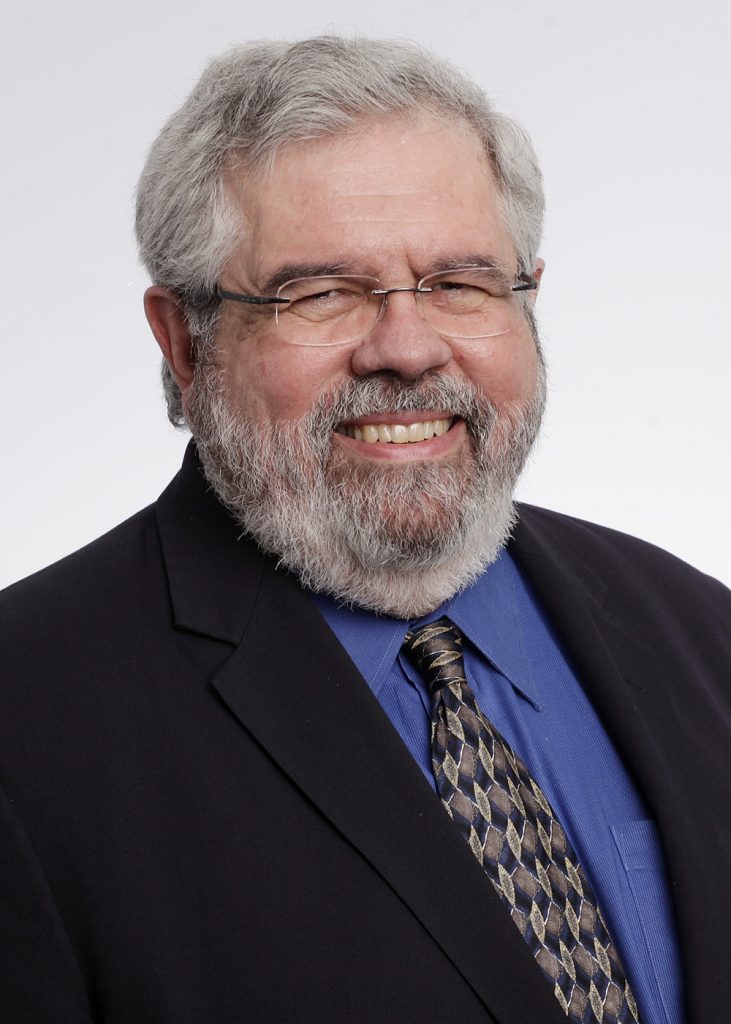
An opinion article by Distinguished Visiting Lecturer David Cay Johnston, “Donald’s Time in the Dock”, ran in the February 20, 2022 New York Daily News. The article focuses on recent legal developments surrounding former President Trump’s businesses and taxes.
In the article, Johnston says about the consequences of a possible New York State civil lawsuit, “People have a right to life, but corporations don’t. They exist by the grace of government and may be extinguished for misconduct, as I teach my Syracuse University law students. That penalty is exceedingly rare, but it’s happened to Trump twice already.”
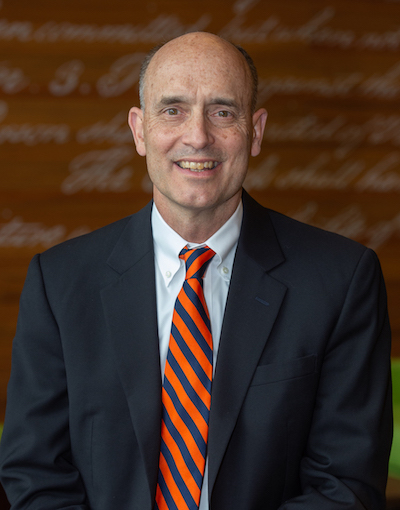
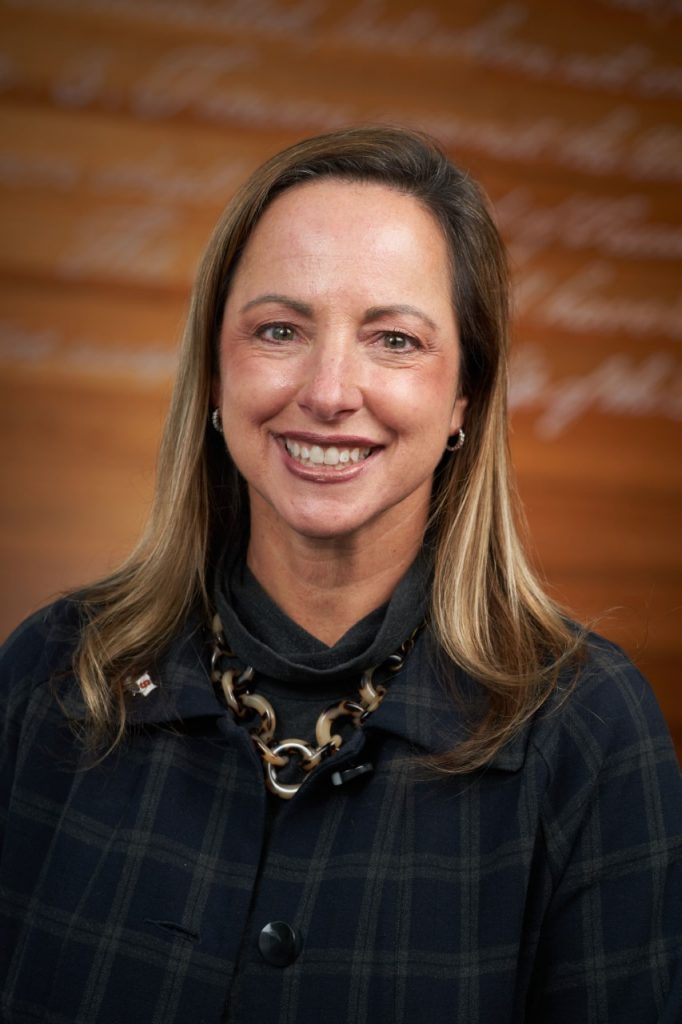
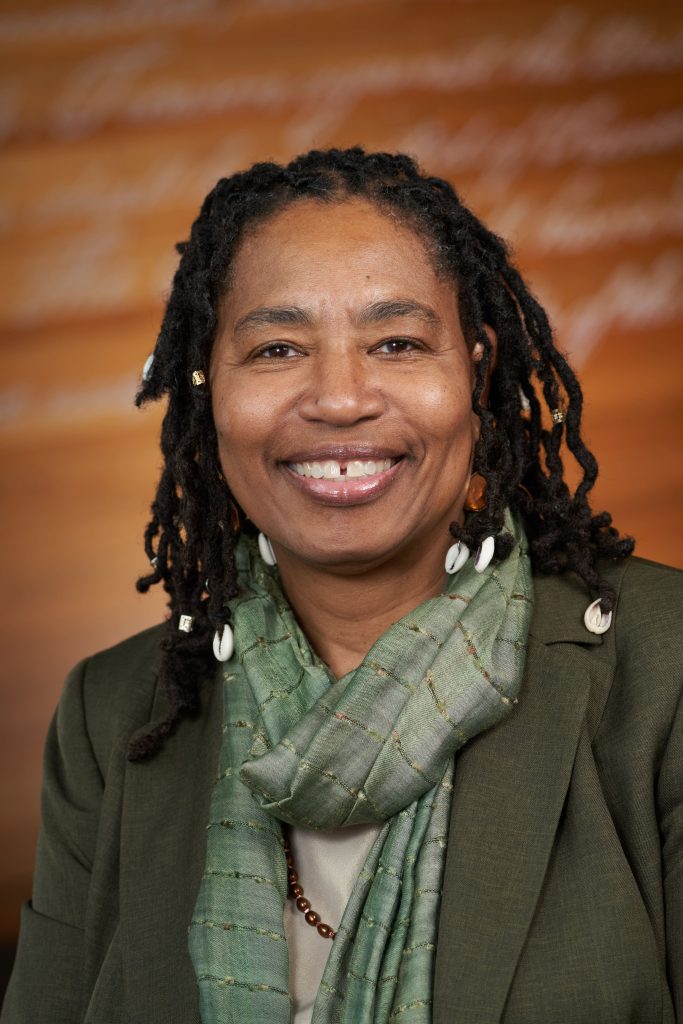
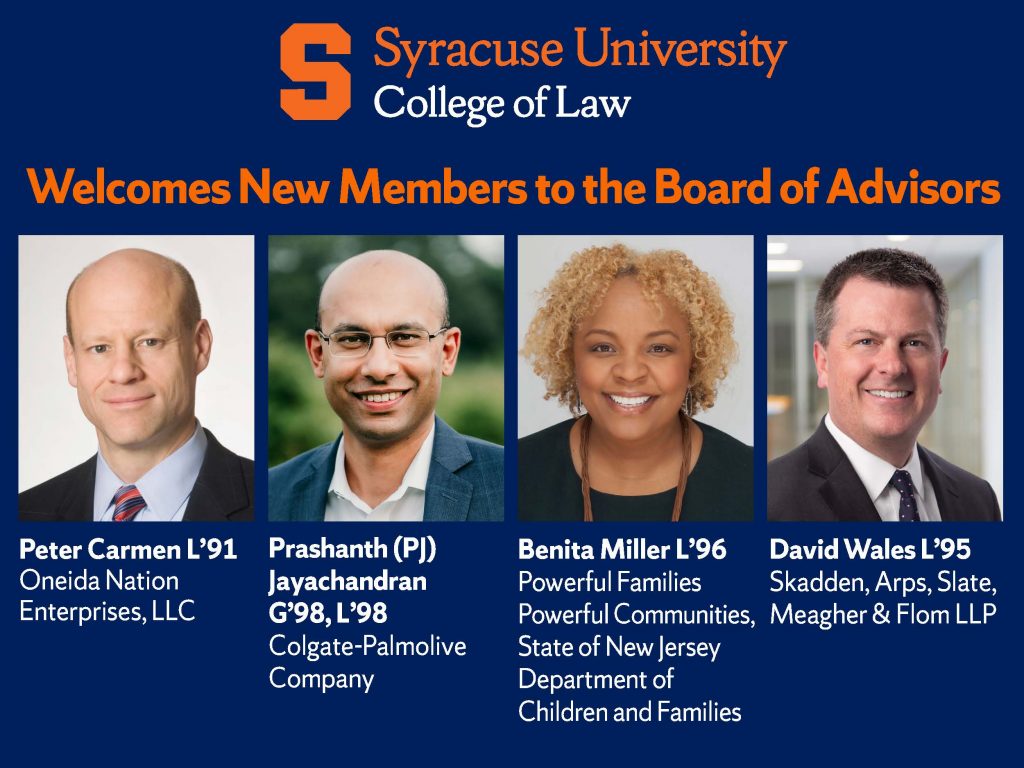
(Syracuse, NY | Feb. 16, 2022) Syracuse University College of Law has appointed four new Board of Advisors members: Peter Carmen L’91; Prashanth (PJ) Jayachandran G’98 L’98; Benita Miller L’96, and David Wales L’95. These appointments reflect the heft of the College of Law’s alumni and underscore the College’s commitment to project on its board the diverse talent and leadership represented by its alumni community.
“The College of Law benefits greatly from our dynamic, engaged Advisors who provide essential guidance in support of our mission and our students,” says Dean Craig M. Boise. “Peter, PJ, Benita, and David bring varied backgrounds, perspectives, and experiences to our distinguished Board. I look forward to working with them closely as we continue to advance our mission and prepare our students for their careers in law.”
“Law schools must anticipate and respond to a rapidly changing legal profession, with innovative educational offerings and opportunities for students,” says Board of Advisors Chair Robert M. Hallenbeck L’83. “These four highly regarded lawyers and community leaders will help provide insight into the future of the profession that will ensure that the College of Law is well-positioned to meet the needs of our students and build a bench of influential and practice-ready Orange lawyers.”
Syracuse Law’s new Advisors bring to the boardroom business acumen, corporate and non-profit leadership, and expertise in antitrust, ESG, labor relations, social welfare, and children’s rights law.
Peter Carmen
Pete Carmen is the Chief Operating Officer of the Oneida Indian Nation and its enterprises.
In this role, Pete works closely with Oneida Indian Nation leadership to oversee the daily operations and administration for Oneida Nation Enterprises LLC, which includes Turning Stone Resort Casino, YBR Casino & Sports Book, Point Place Casino, Oneida Innovations Group, The Lake House at Sylvan Beach, The Cove at Sylvan Beach, SavOn Stores, Maple Leaf Markets, The Preserve hunting grounds, Salmon Acres fishing lodge, five golf courses, three marinas, two spas, and dozens of restaurants. Pete’s role also includes oversight of Oneida’s administration, including Legal, Finance, IT, Human Resources, Governmental Affairs, Security, Marketing, and Supply Chain, and he works with the Oneida leadership in overseeing the Oneida Indian Nation Police Department.
Since Pete joined the Oneida Indian Nation in 2006, he has played an integral role in the Nation’s growth. Over the last 15 years, Oneida has developed its gaming, hospitality, entertainment, technology, and government contracting footprints exponentially. Today, Oneida Nation Enterprises is the No. 1 largest employer in its two home counties—Madison and Oneida—and among the largest employers in the 18-county Central New York region. Oneida Nation Enterprises has become one of the most awarded companies regionally and is now routinely recognized among industry leaders nationally. It partners with a broad range of national gaming, real estate, and retail companies, among others.
Pete was born and raised in Syracuse and has spent most of his life in the Empire State. Before stepping into his current role in 2008, Pete served as the Oneida Indian Nation’s general counsel, chief legal officer, and senior vice president. Previously, Pete was a partner, department chair, and a member of the executive committee at Mackenzie Hughes LLP, a law firm in Syracuse, and he served a federal judicial clerkship with Chief Judge Neal P. McCurn of the U.S. District Court for the Northern District of New York. Pete graduated from Brandeis University and received a law degree from the Syracuse University College of Law in 1991.
Prashanth (PJ) Jayachandran
Prashanth Jayachandran is Chief Supply Chain Counsel for Colgate-Palmolive Company. As lead counsel for the Global Supply Chain, Jayachandran oversees global commercial contracting, labor relations, and legal issues related to logistics, transportation, trade, manufacturing, and product distribution. Jayachandran also addresses key global policy issues related to human rights, environmental impact, and sustainability. In his prior roles for Colgate, Jayachandran served as Chief Human Resources and Benefits Counsel, and Division General Counsel for Colgate Asia.
Jayachandran serves as Distinguished Lecturer for the College of Law’s JDinteractive program, teaching a course related to corporate sustainability (“The Corporate Lawyer in a Sustainable World”).
In addition, Jayachandran serves on several non-profit boards in various leadership roles. He is the Chair of the Board of Directors for the Princeton, NJ YMCA; co-founder of the New Jersey Youth Civics Coalition; and a member of the Board of Advisors for the University of Wisconsin-Madison, Division of Student Affairs. Jayachandran also serves on the Board of Advisors for the Paul, Weiss ESG & Law Institute.
Jayachandran received a Bachelor of Arts degree (Economics and Political Science) from the University of Wisconsin-Madison. He received a Juris Doctorate from Syracuse University College of Law and a Master of Public Administration from the Maxwell School of Citizenship and Public Affairs at Syracuse University.
Benita Miller
Benita R. Miller is currently the Executive Director of Powerful Families Powerful Communities and an Executive on Loan to the State of New Jersey Department of Children and Families overseeing a five-year demonstration project to re-imagine New Jersey’s child welfare system through a human-centered design process that leverages the voice of community members as co-designers. She previously served as the President and CEO of Children’s Aid and Family Services in New Jersey. Prior to her work in New Jersey, Miller served as the Executive Director of Brooklyn Kindergarten Society where she expanded the agency’s early childhood education footprint from five to seven centers as well as built the first sensory gym co-located in New York City Housing Authority development.
Miller was the founding Executive Director of the NYC Children’s Cabinet in the Office of the Mayor and served as the Deputy Commissioner of the Division of Family Permanency Services in the Administration for Children’s Services (ACS). Before joining ACS, Miller served as Director of Scholarships at the NAACP Legal Defense and Educational Fund, where among other responsibilities she implemented programs for undergraduate and law student scholars. She is the founder and former executive director of the Brooklyn Young Mother’s Collective and is the recipient of the Union Square Award and Petra Fellowship on behalf of her advocacy work with young parents. She was also recognized by the American Civil Liberties Union as one of the top nine advocates to influence Title IX implementation. She previously represented children and young people in child protective, delinquency, and PINS proceedings in Brooklyn Family Court as a staff lawyer with the Legal Aid Society.
Miller earned a Bachelor of Fine Arts in Print Journalism from Wayne State University where she was a Rosa Parks Scholar at The Detroit News and received her Juris Doctorate from Syracuse University College of Law. She serves as a board member for many nonprofit organizations including Strategies for Youth and is an active member of Alpha Kappa Alpha Sorority, Inc. and Jack and Jill of America, Inc.
David Wales
David P. Wales is Partner, Antitrust/Competition at Skadden, Arps, Slate, Meagher & Flom LLP’s Washington, D.C. office. He is recognized as a leading antitrust lawyer and has over 25 years of experience in both the private and public sectors. His practice focuses on providing antitrust advice to U.S. and international clients in a wide range of industries on all aspects of antitrust, including mergers and acquisitions, alliances, criminal grand jury investigations, dominant firm conduct, distribution arrangements, licensing, and competitor collaborations.
Wales has the distinctive experience of serving as a senior official in both U.S. antitrust agencies. Most recently, he served as acting director of the Bureau of Competition (2008-09) during a three-year tenure at the Federal Trade Commission, where he oversaw all of the agency’s antitrust enforcement activity, including in the health care, pharmaceutical, oil and gas, technology, chemical, defense, retail, and consumer product industries. He also served as counsel to the assistant attorney general in the Department of Justice’s Antitrust Division (2001-03), where he was part of the small front-office team managing all of the agency’s merger and conduct matters.
Wales earned his Bachelor of Arts from the Pennsylvania State University and his Juris Doctorate from Syracuse University College of Law. He regularly speaks and writes on antitrust issues and has held various leadership positions in the American Bar Association’s Antitrust Section. Recognized as a leading antitrust practitioner, he is consistently ranked in Chambers USA: America’s Leading Lawyers for Business, Chambers Global: The World’s Leading Lawyers for Business, Legal 500, The Best Lawyers in America, The International Who’s Who of Competition Lawyers & Economists, and Best Lawyers.
Peter Carmen L’91, Prashanth (PJ) Jayachandran G’98, L’98, Benita Miller L’96, David Wales L’95